CU 1,5 L. Heat-sealable PP tray 1.5 L
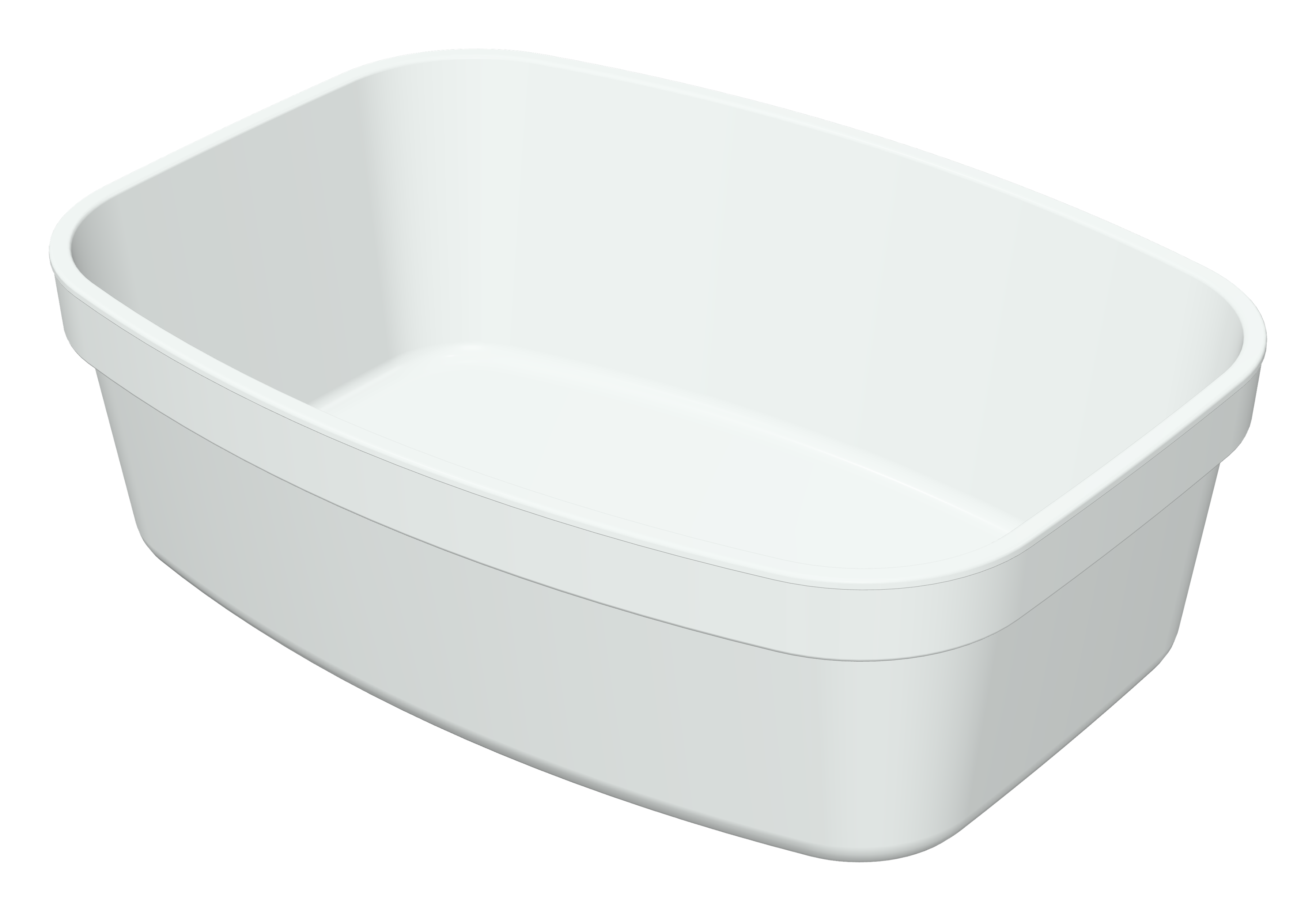
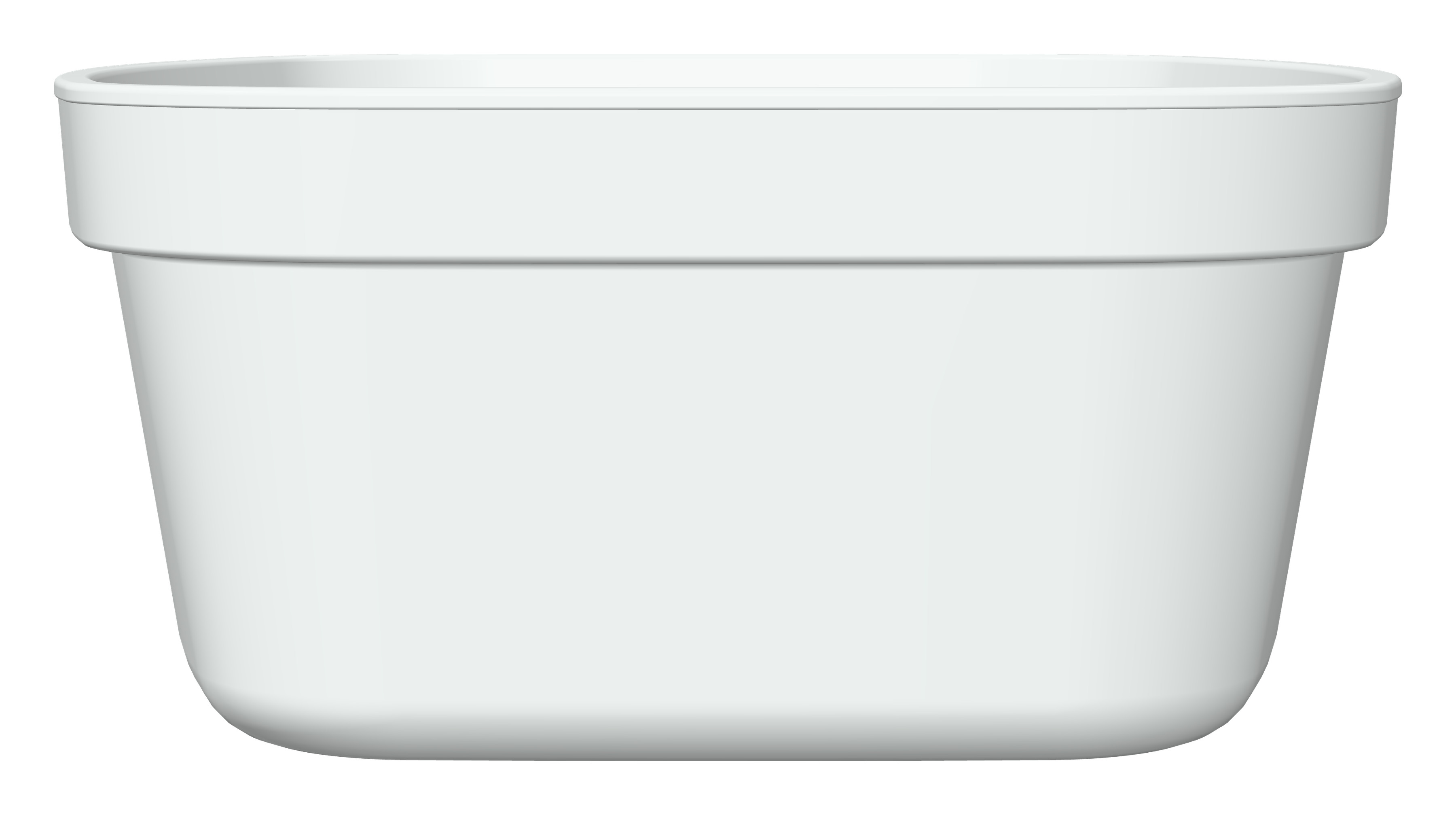
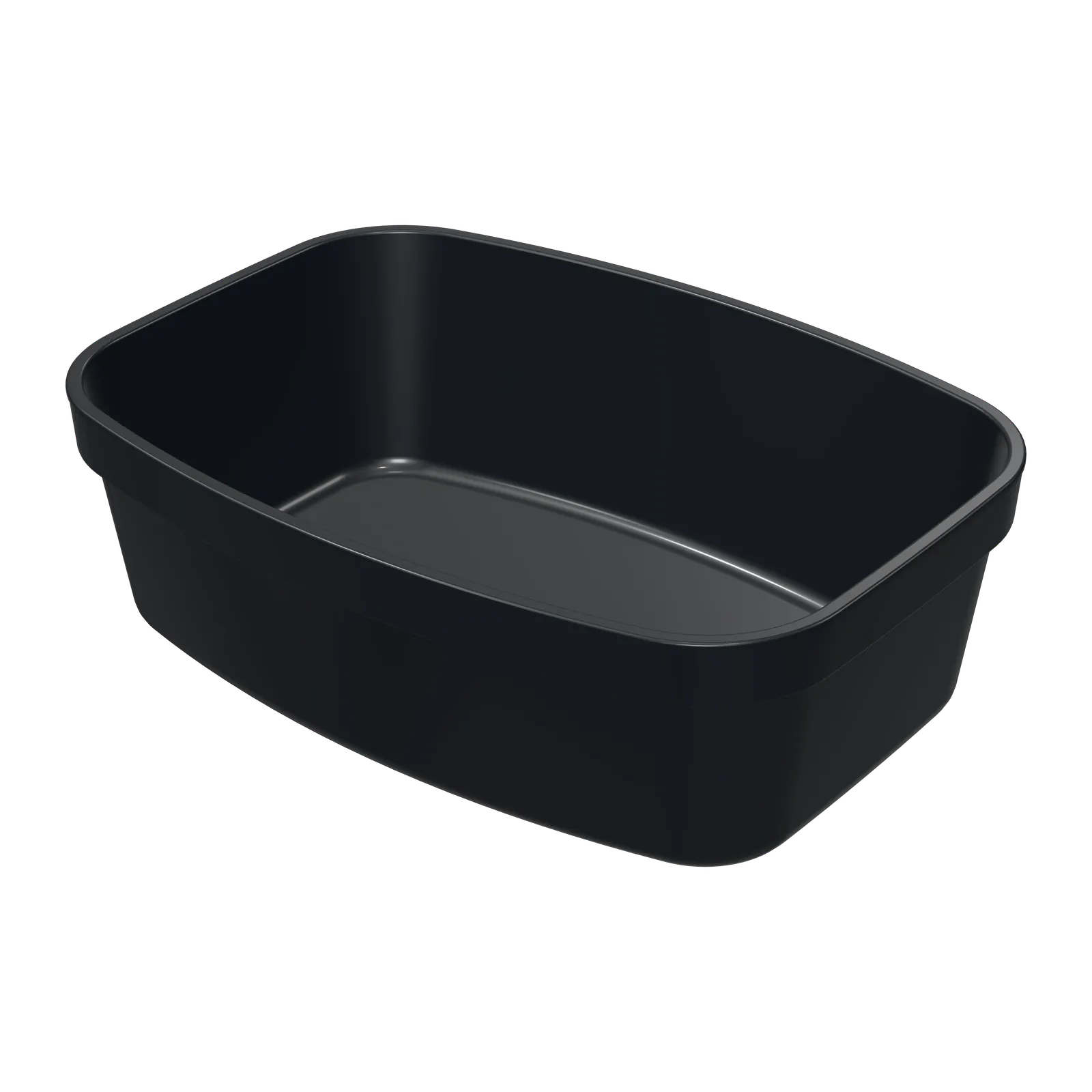
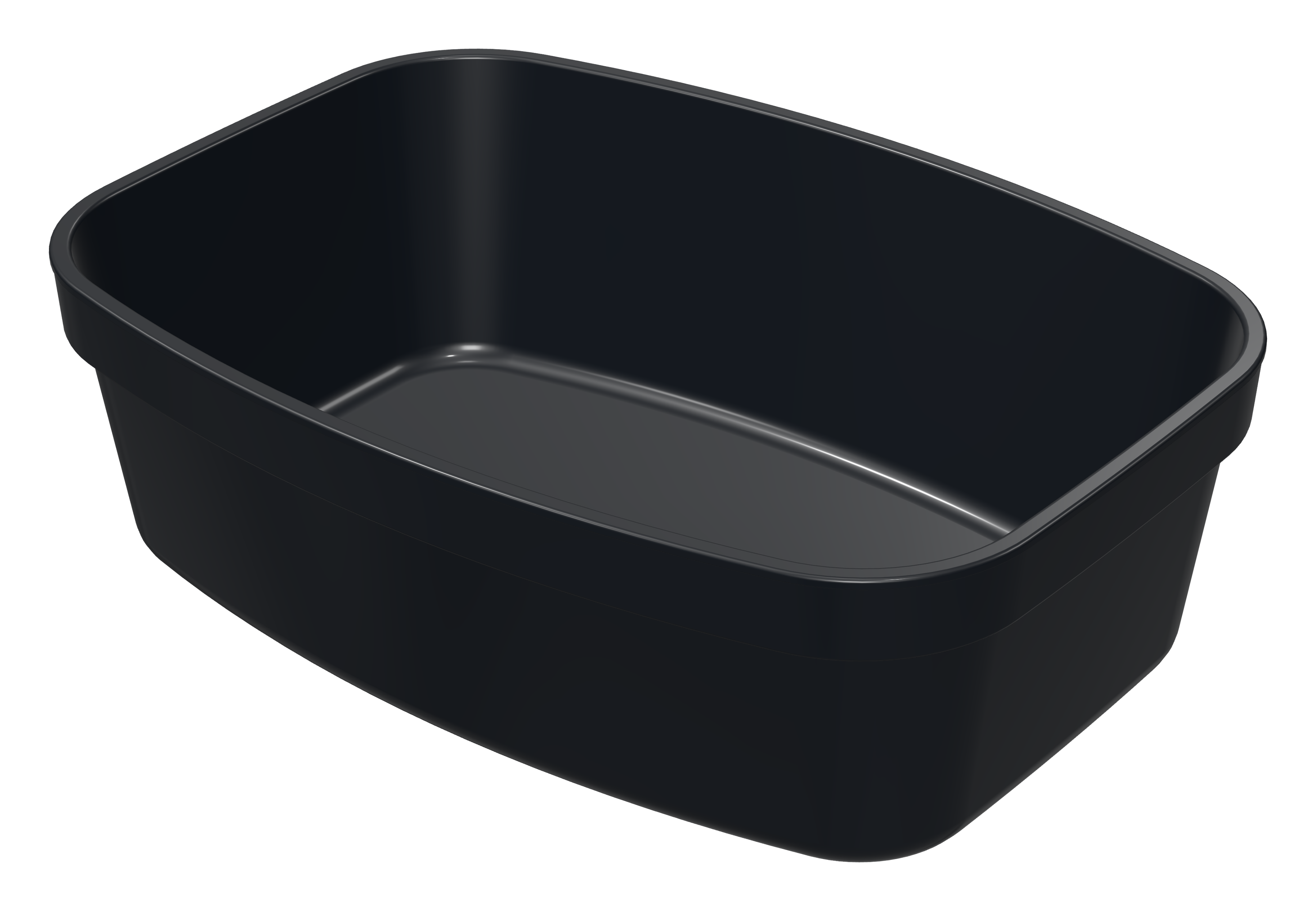
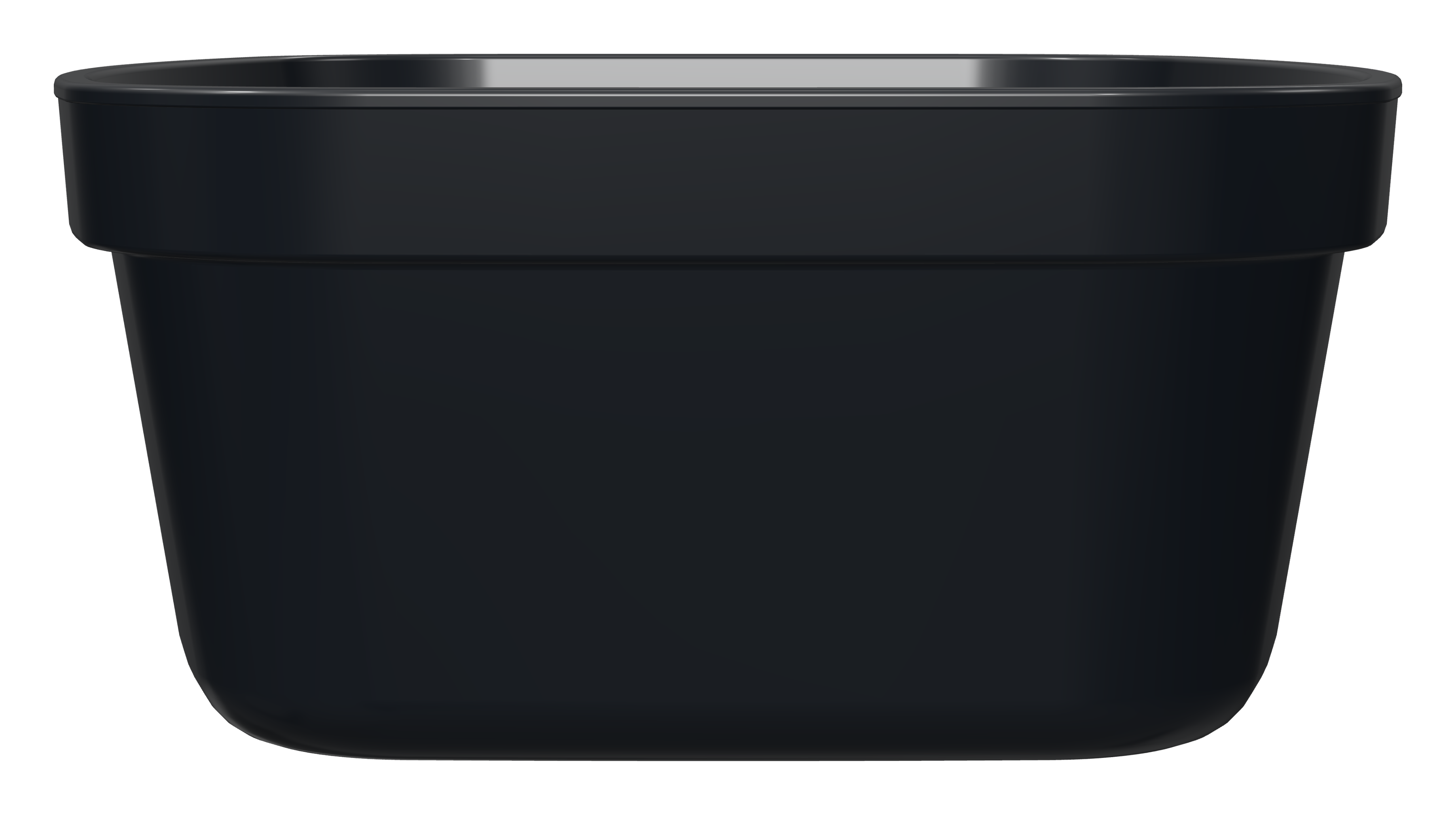
A rectangular injection-moulded tray in rigid polypropylene, with a flat perimeter flange for hermetic heat sealing. Designed for storing, transporting and presenting family-size ready meals or large portions.
Key data
- Capacity
- 1,500 cc
- External dimensions
- 210 × 152 mm
- Height
- 67 mm
- Case
- 120 units
Colour


The tray, step by step
Skip the tour


Step 1 of 4
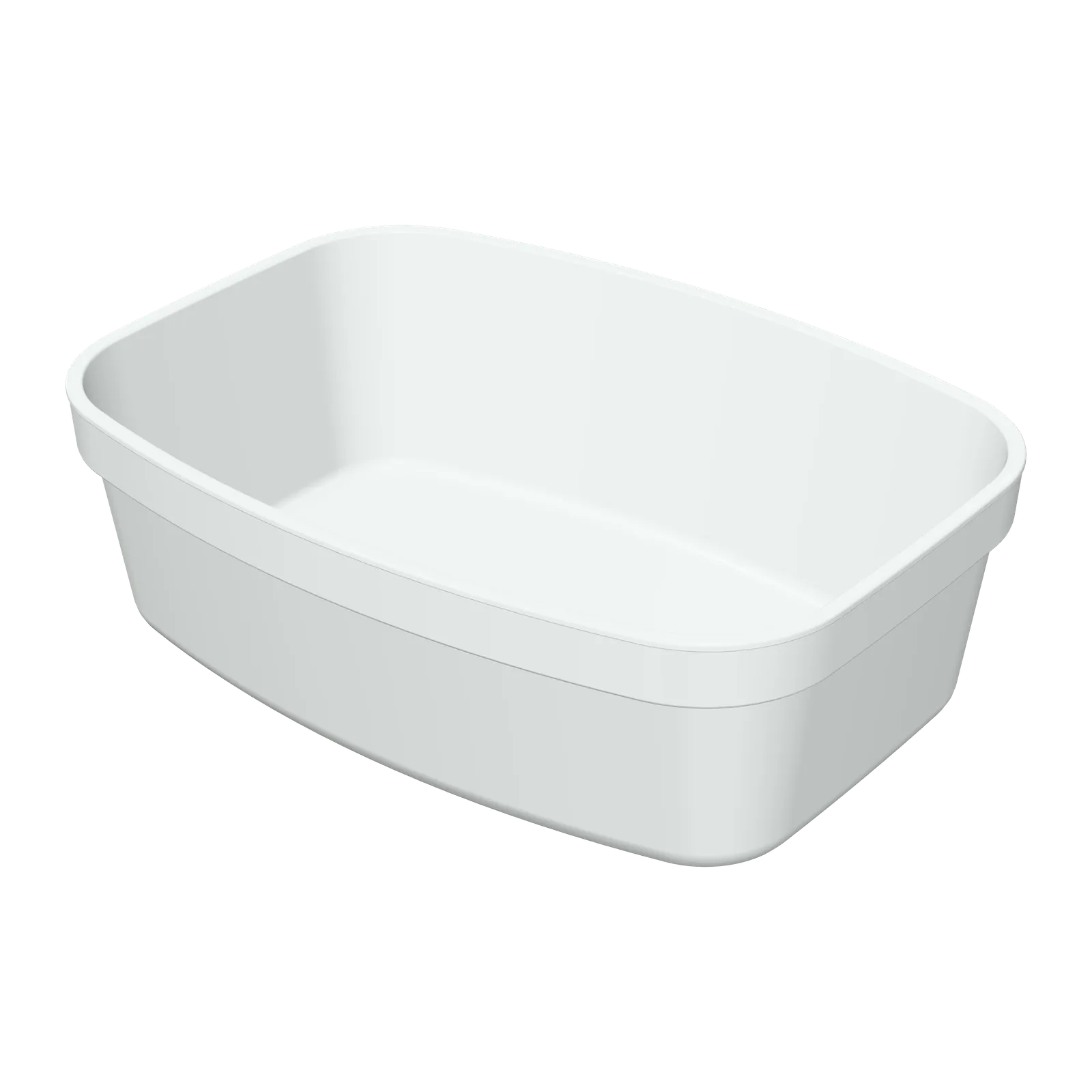
A flat flange for sealing
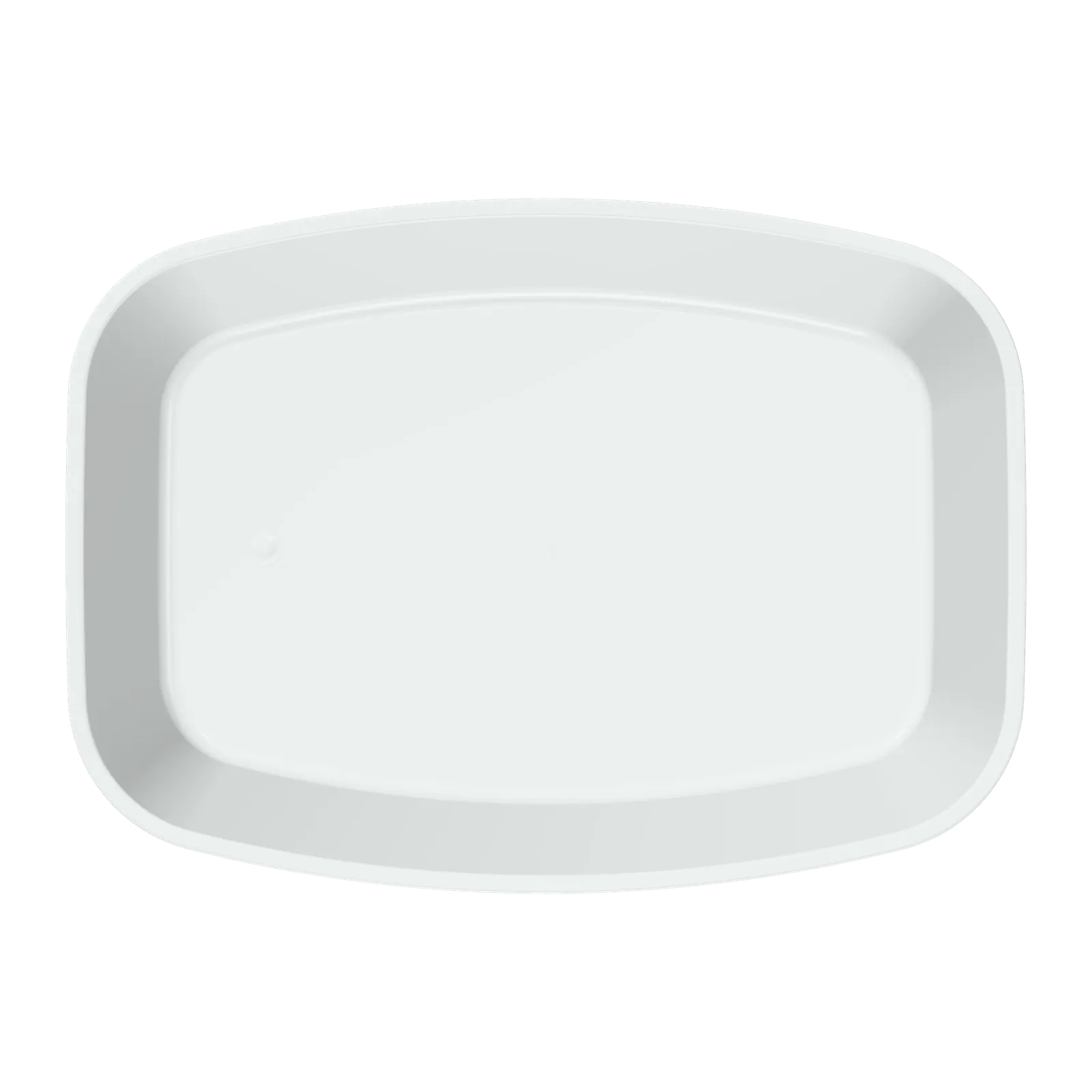
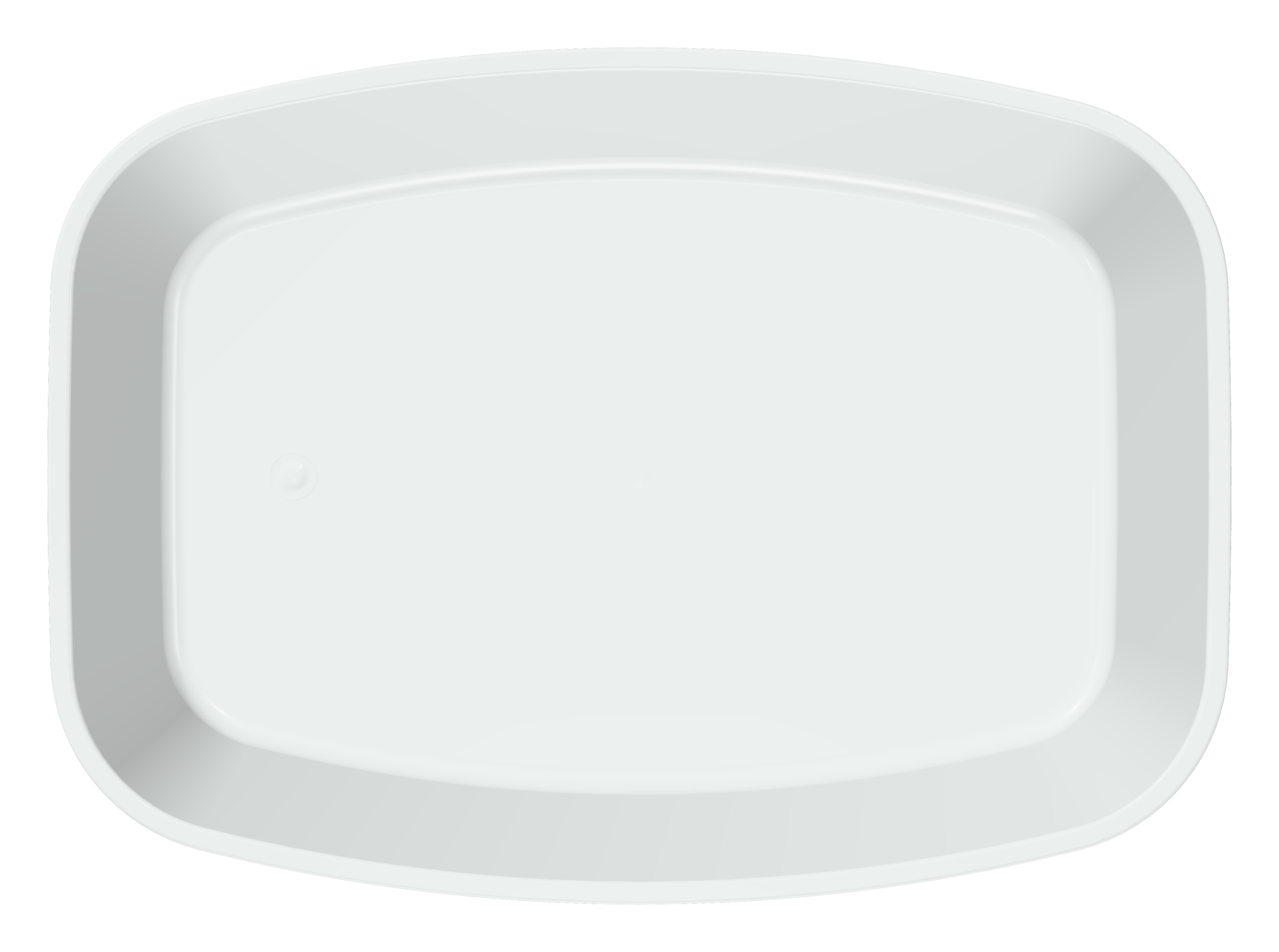
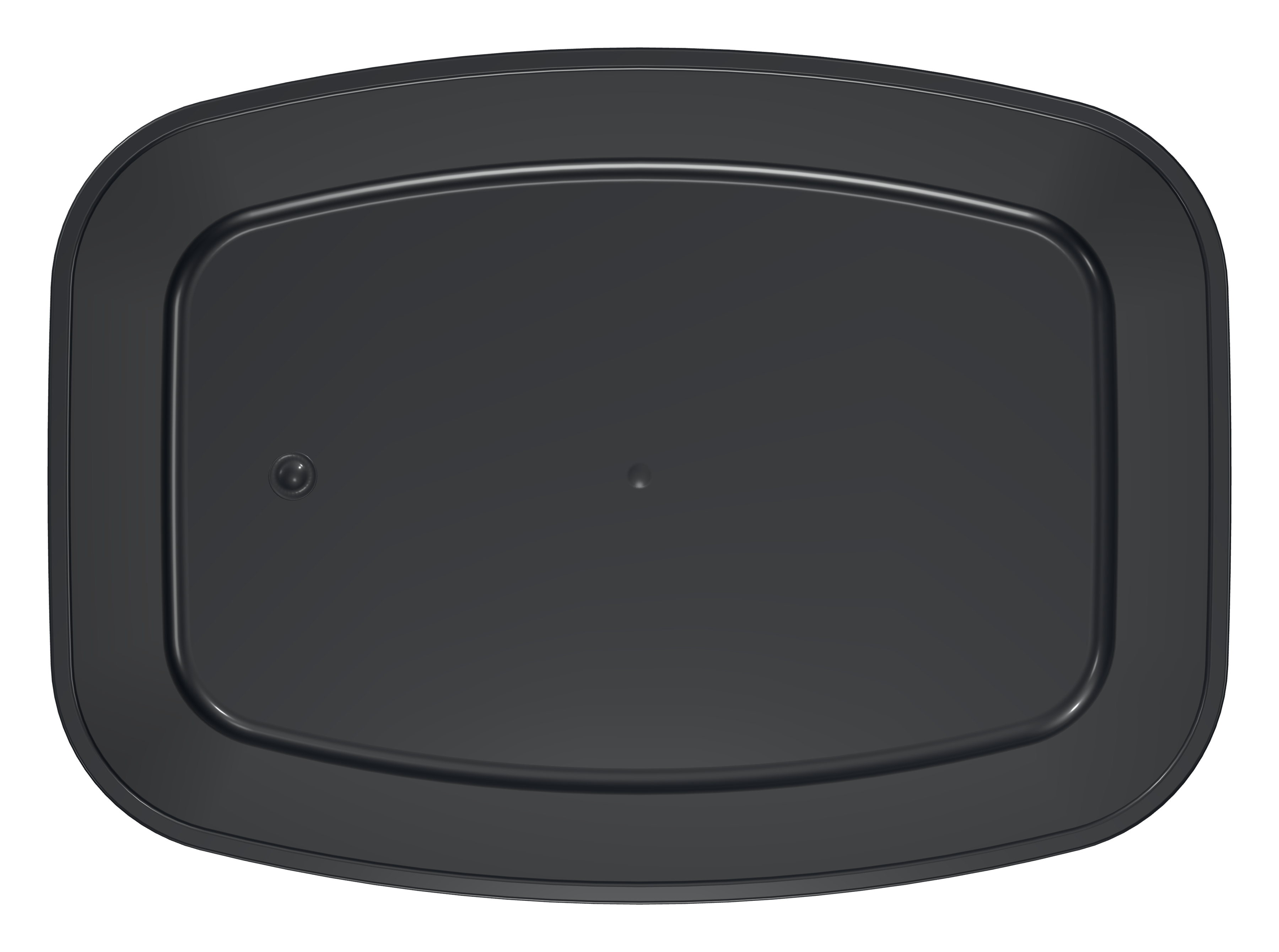
The opening is edged by a flat perimeter flange. The film sits on this flange to heat-seal the tray and close it hermetically.
Step 2 of 4
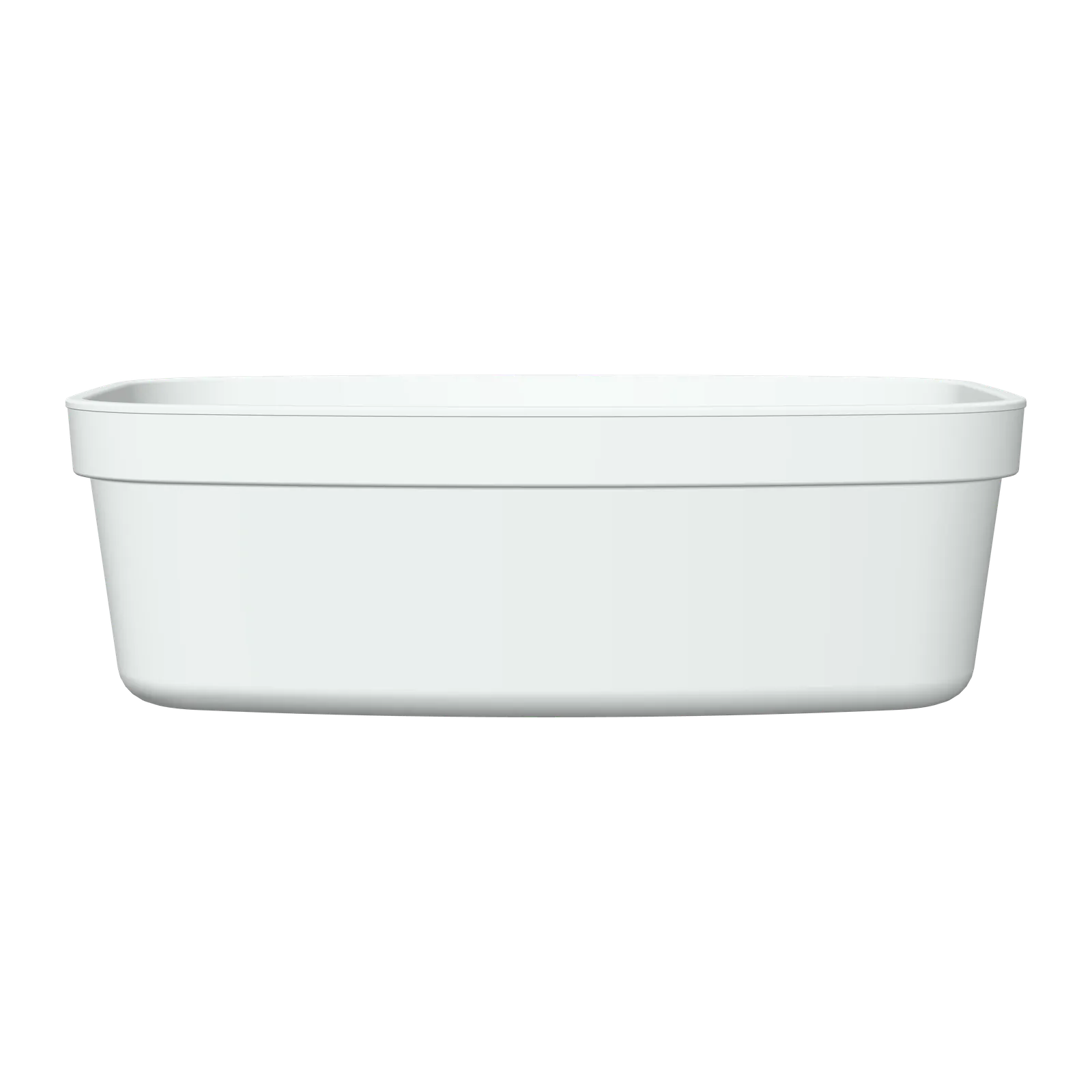
1.5 L in 210 × 152 mm
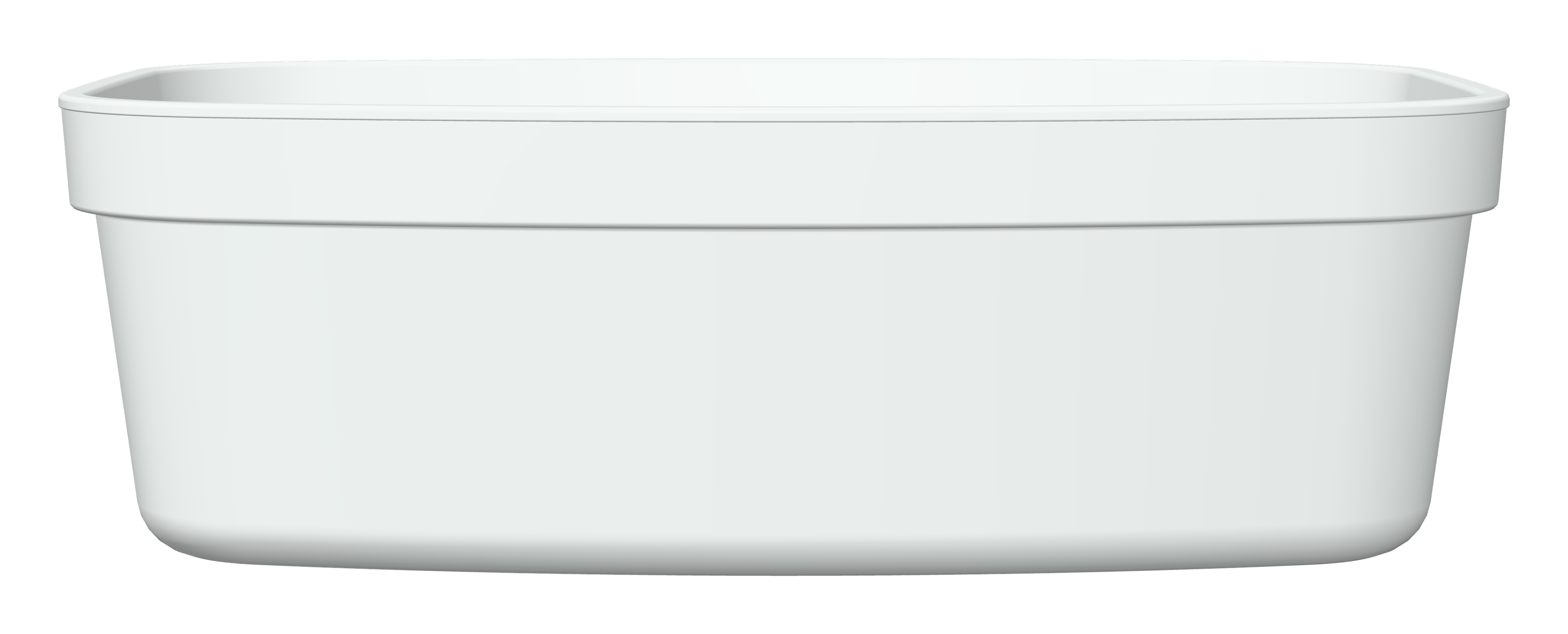
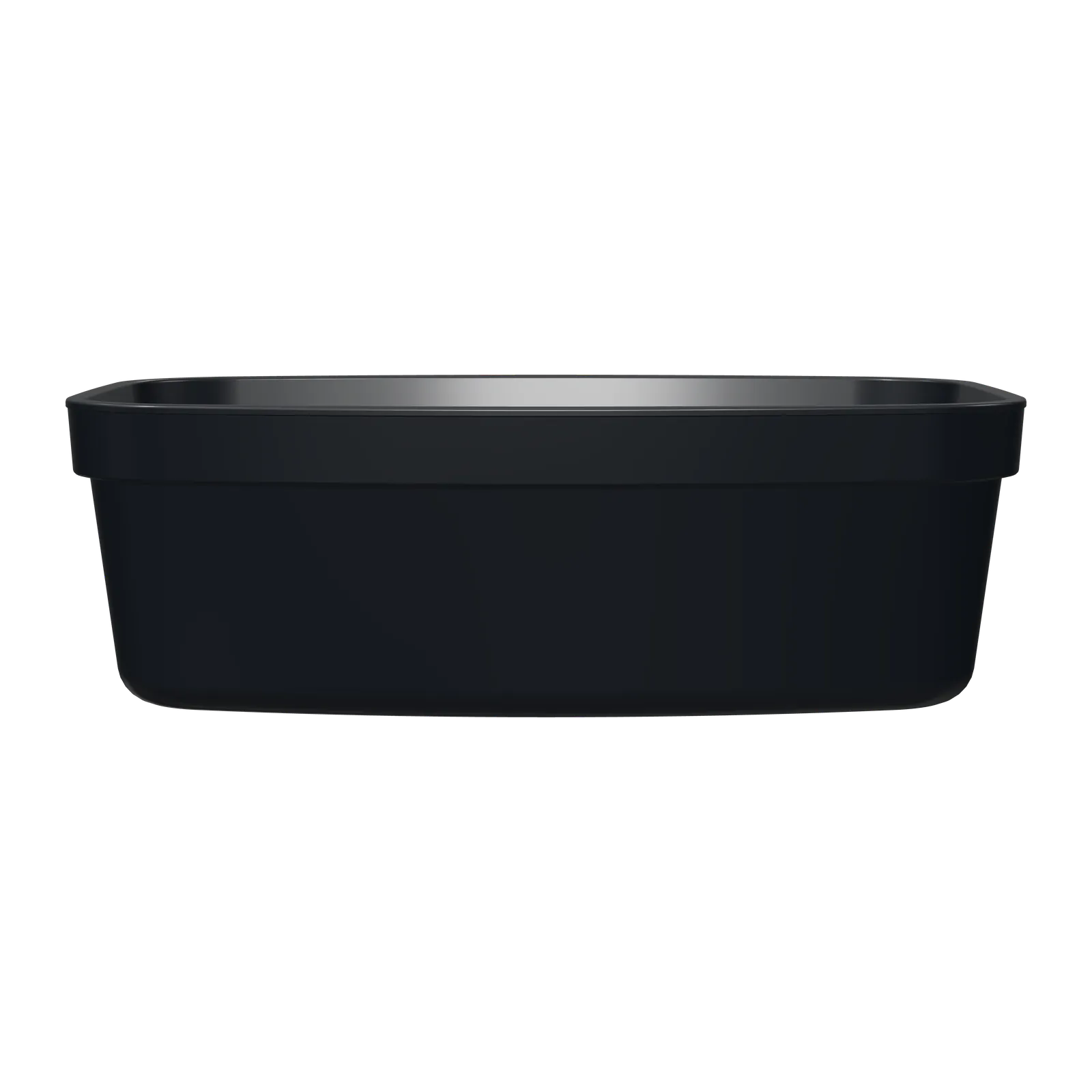
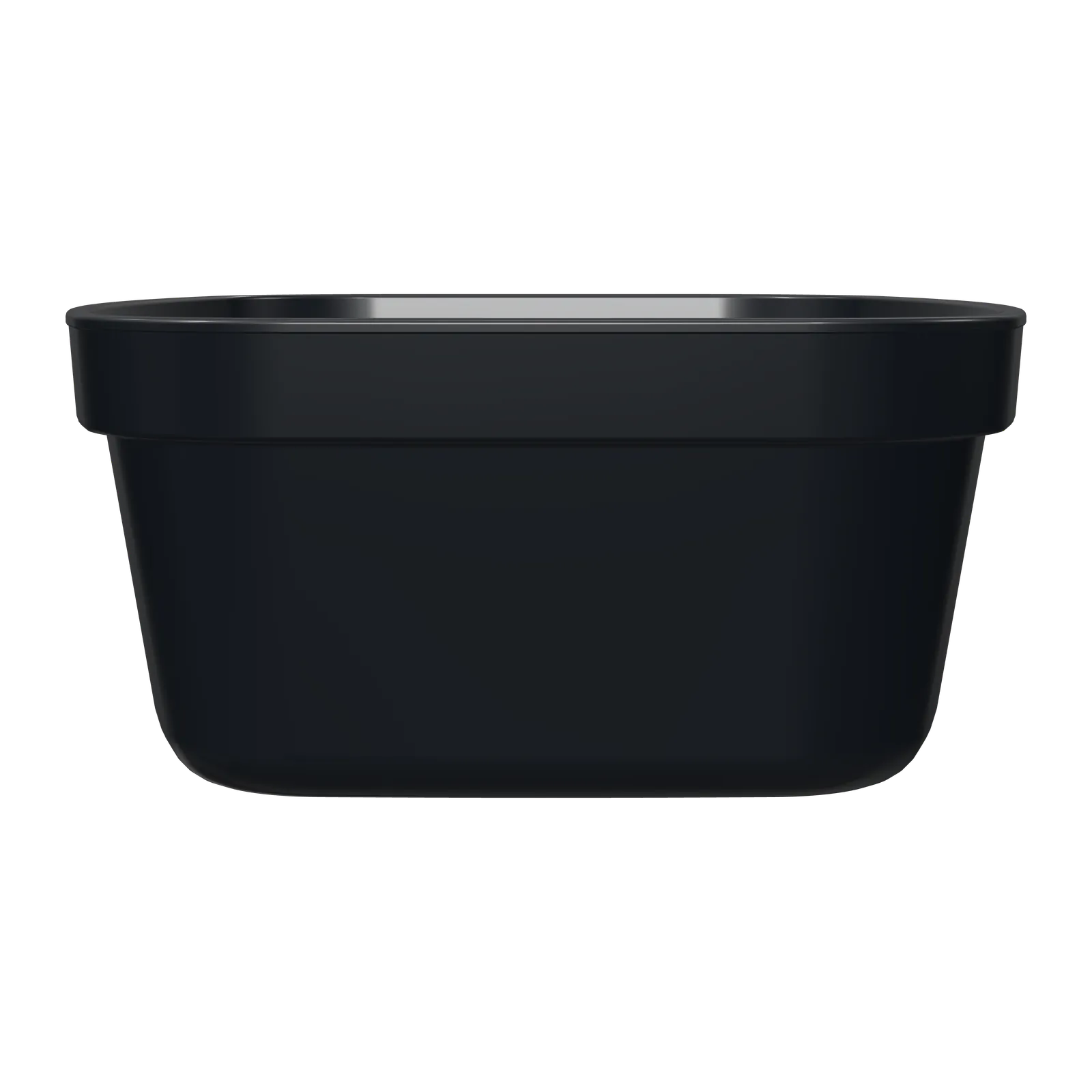
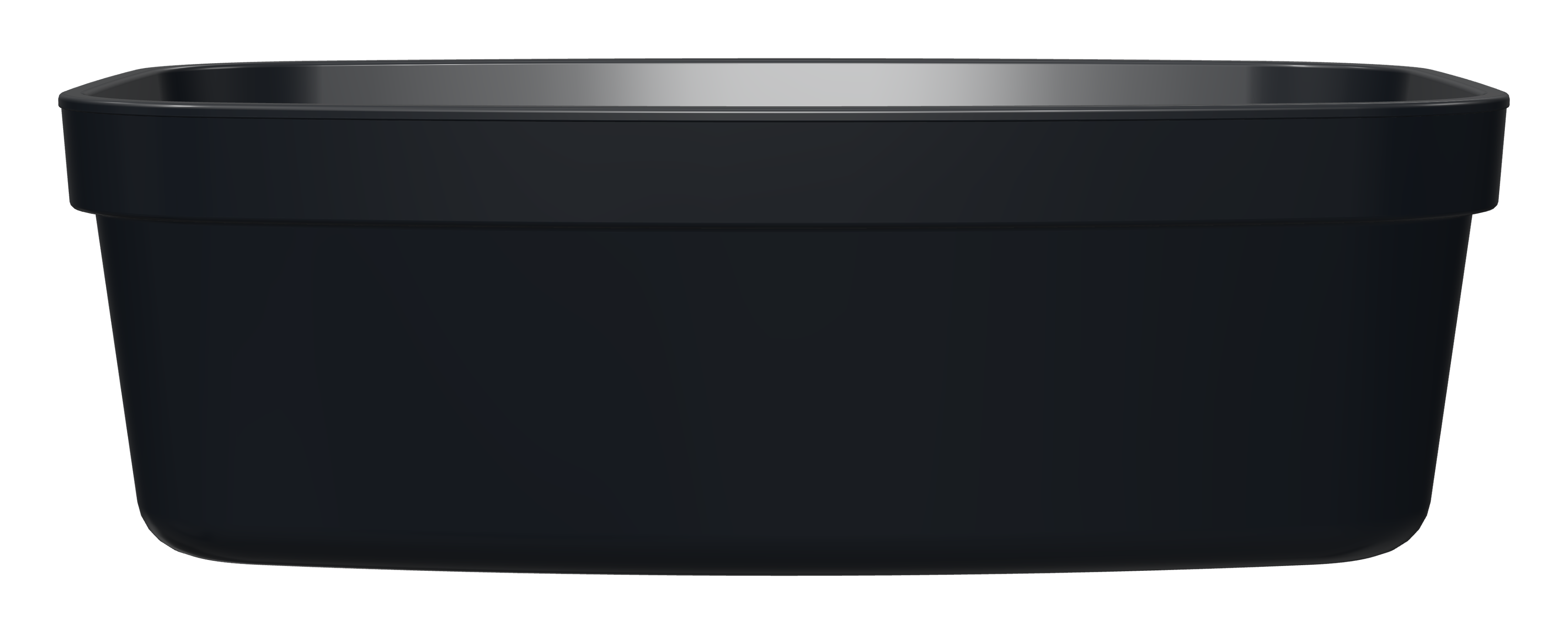
Its nominal capacity is 1,500 cc. Its external dimensions are 210 × 152 mm at the rim and 67 mm in height, a format for family-size dishes or large portions.
Step 3 of 4
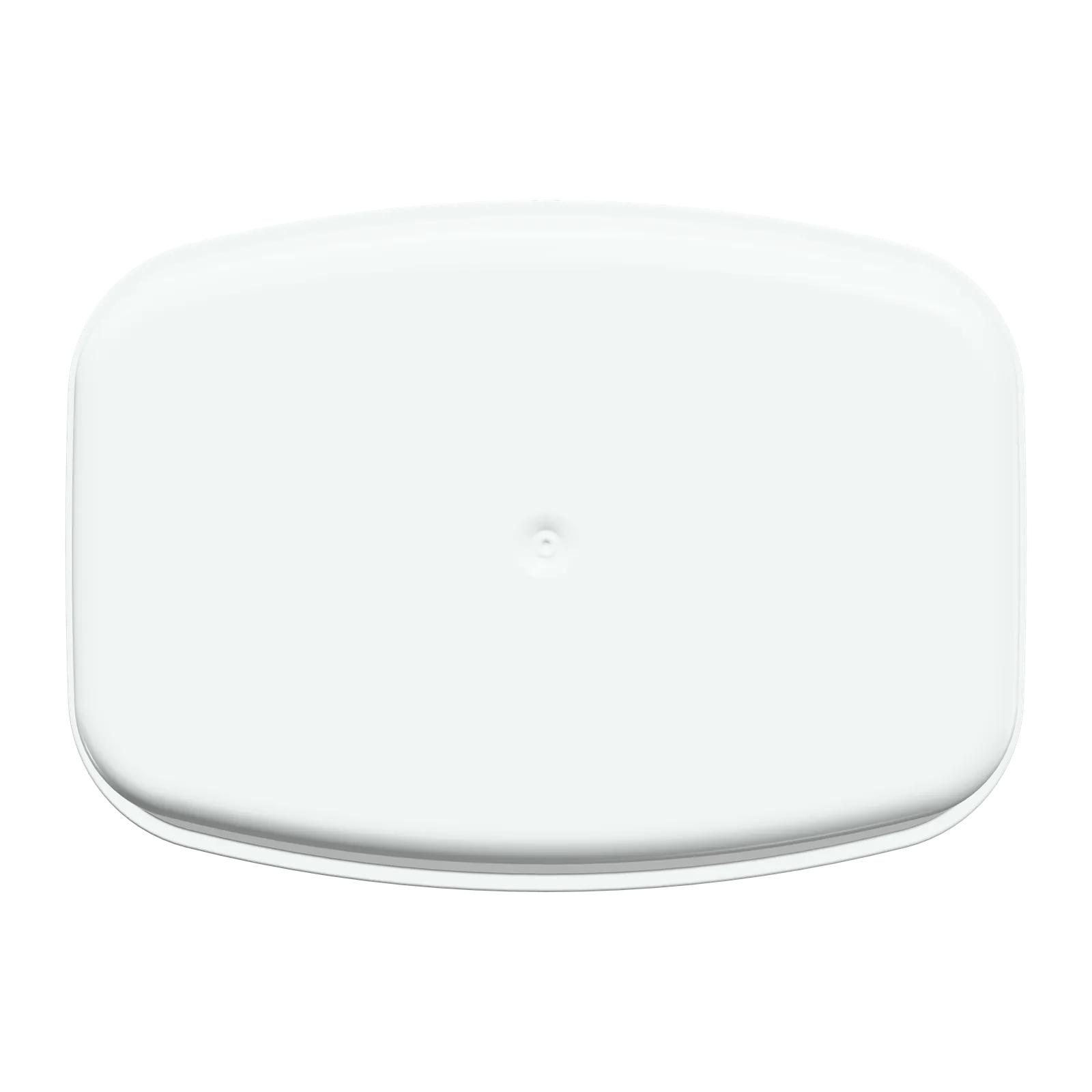
Moulded in Tibi
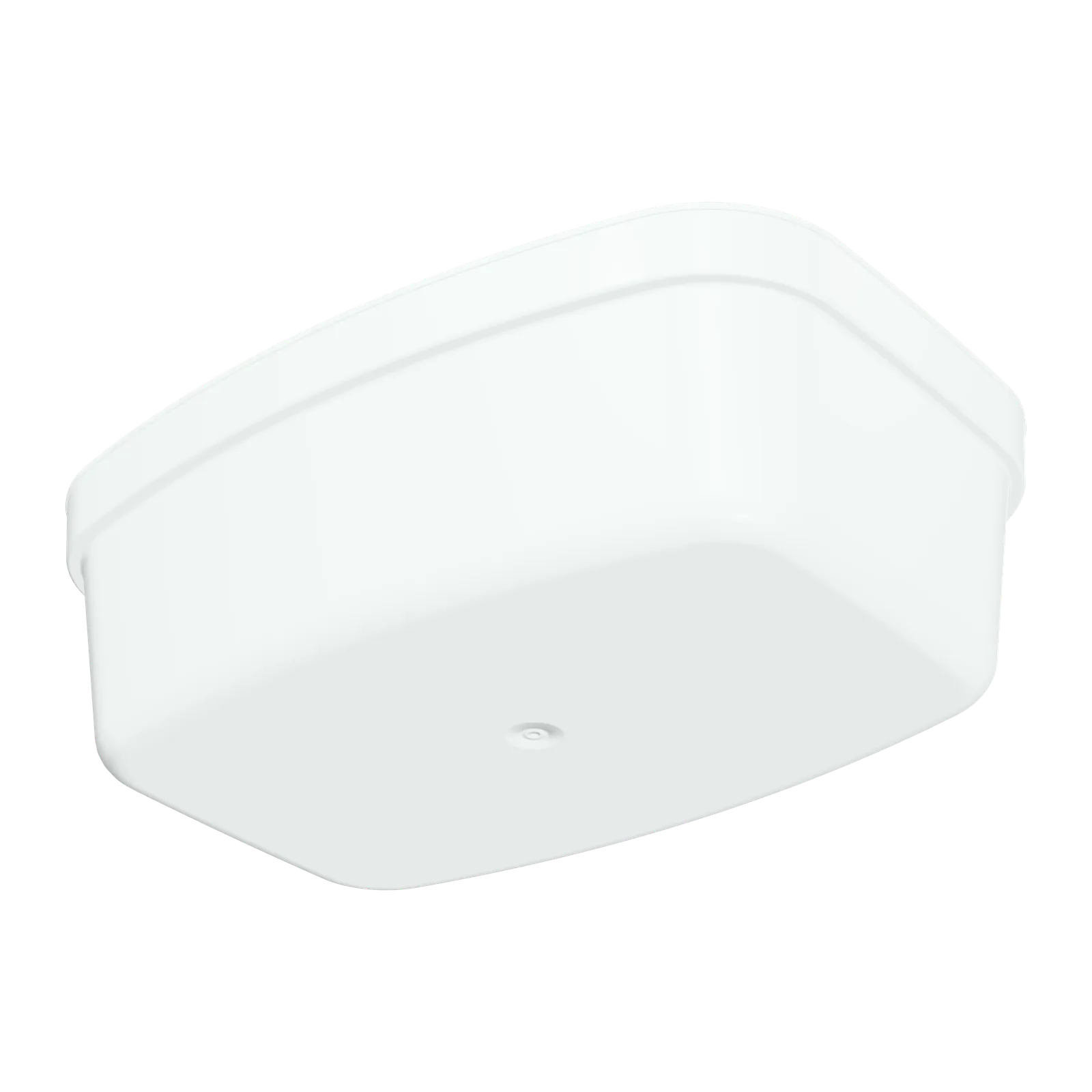
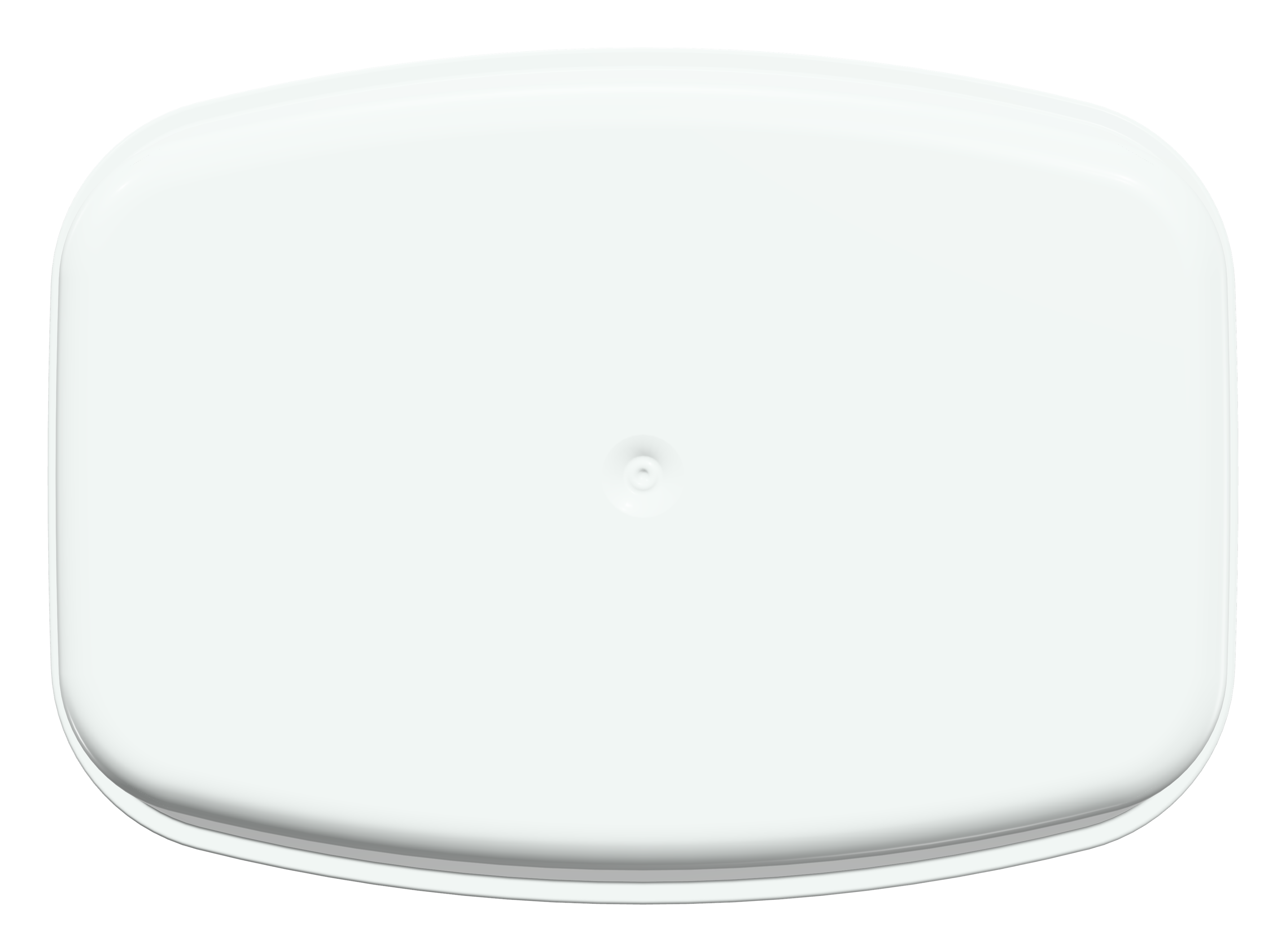
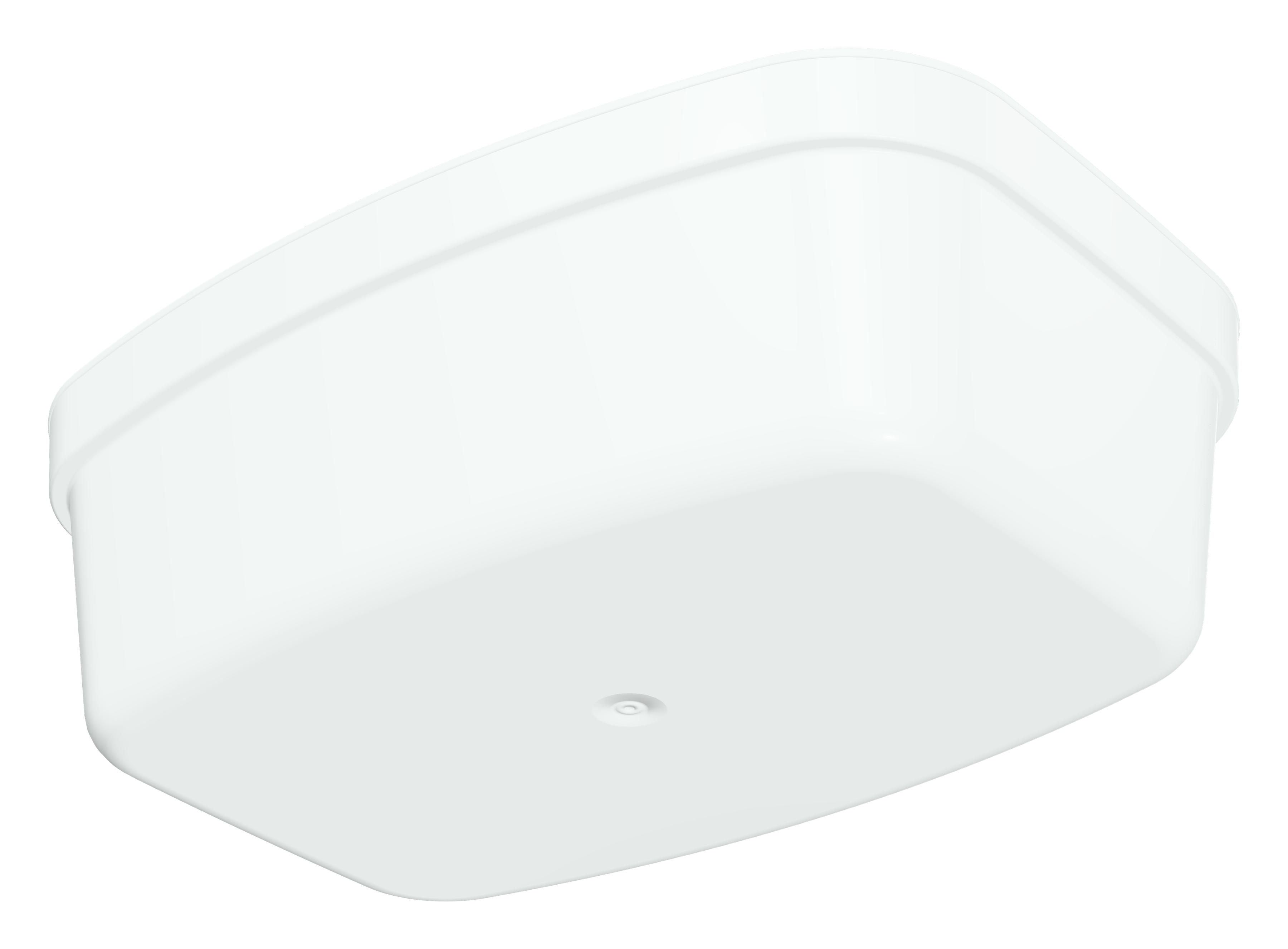
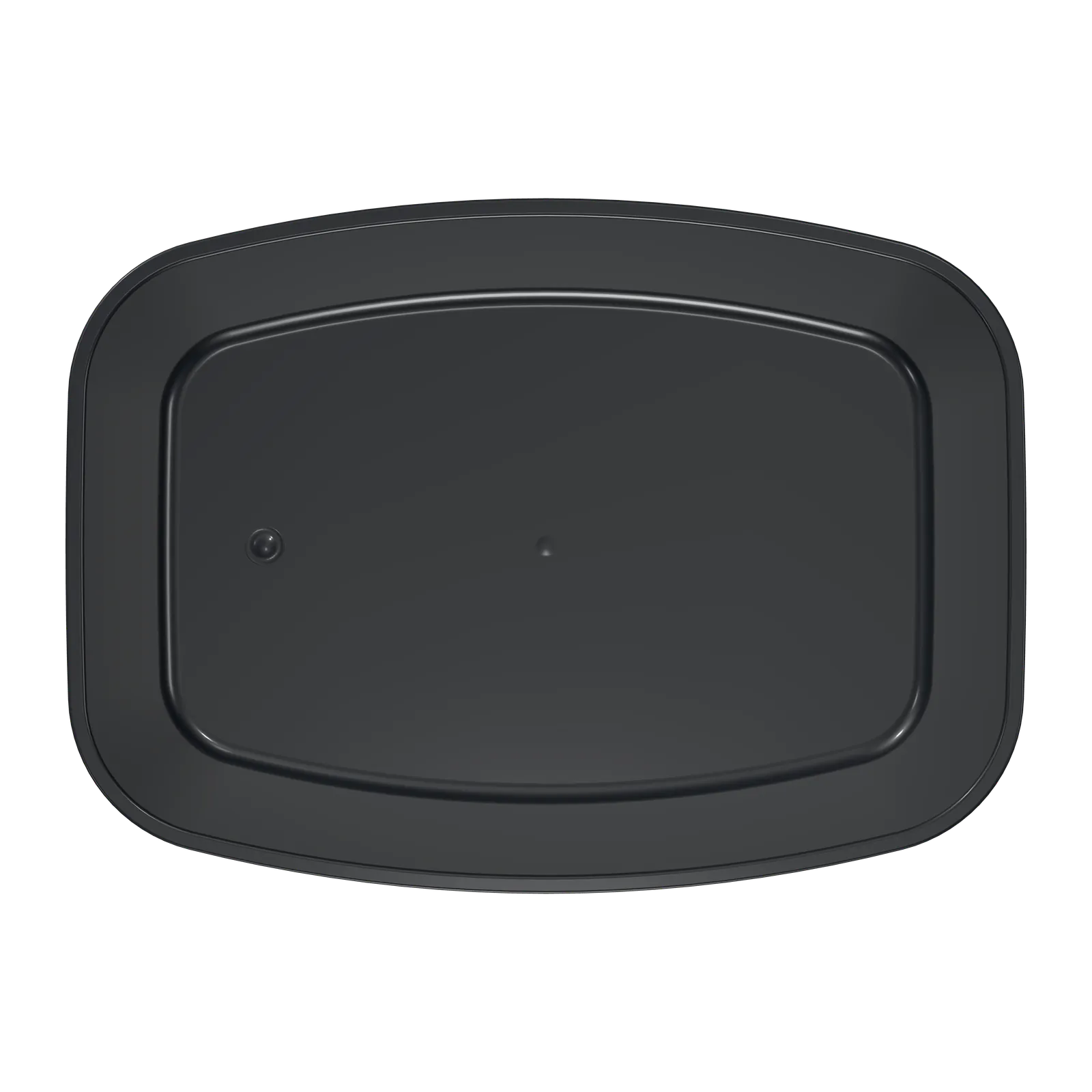
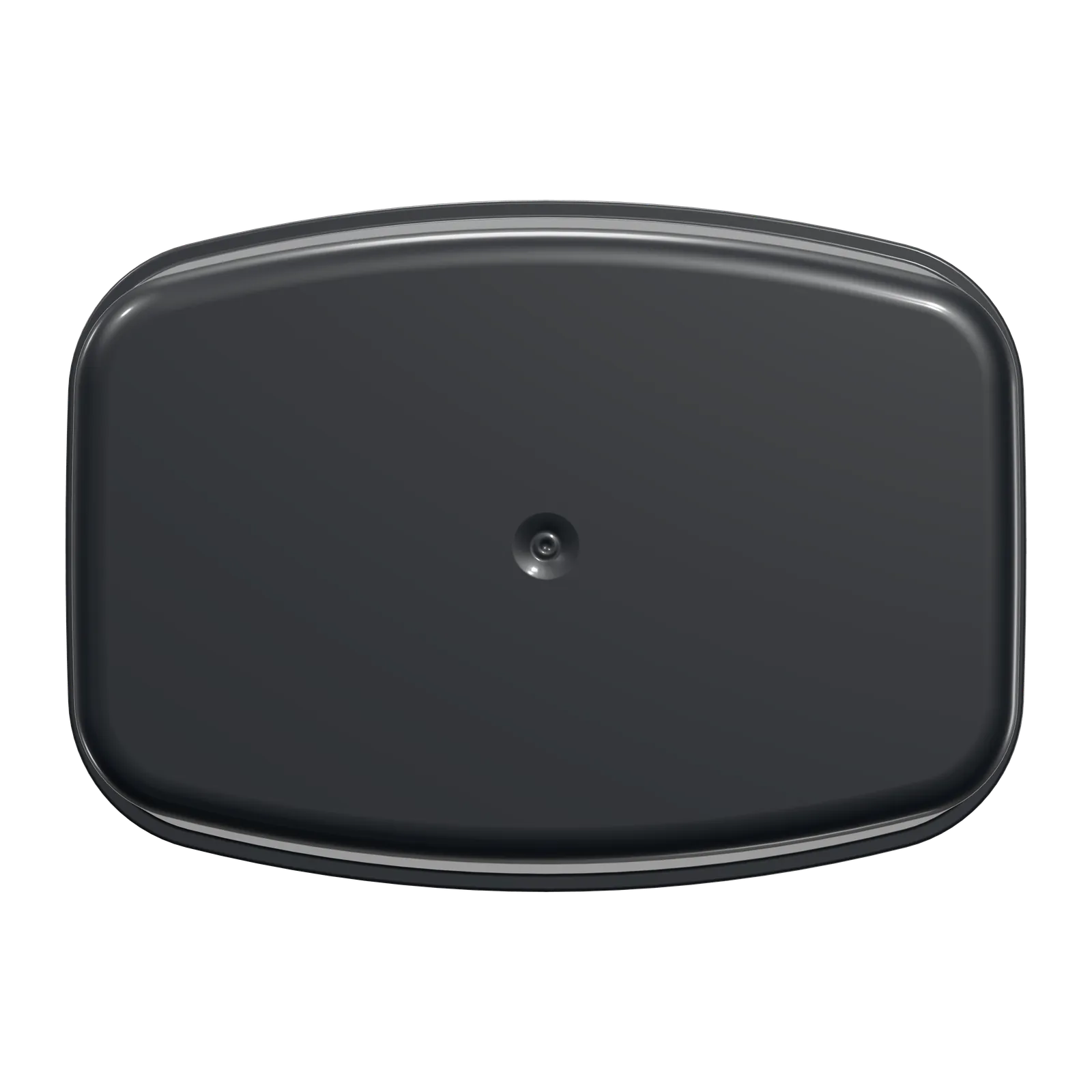
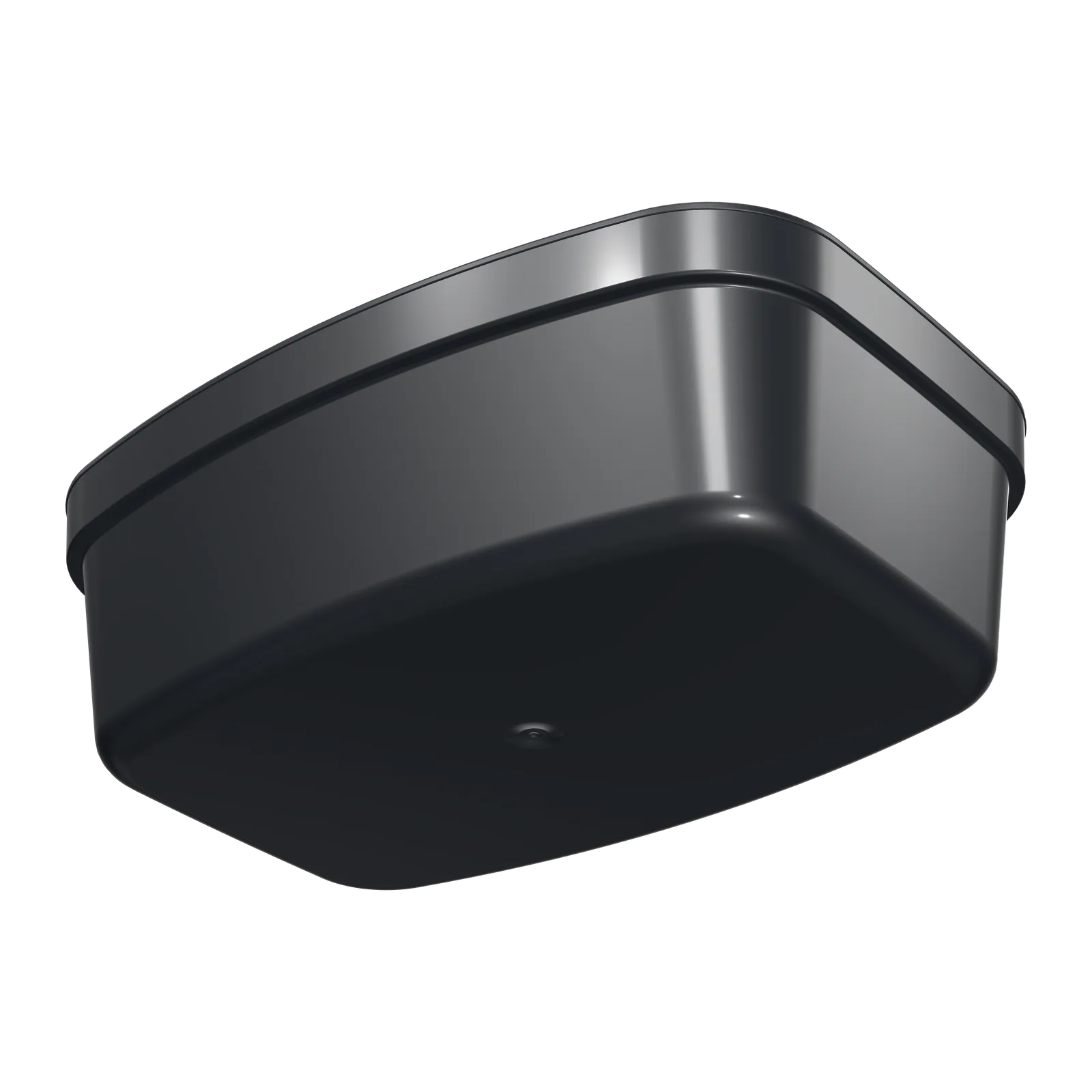
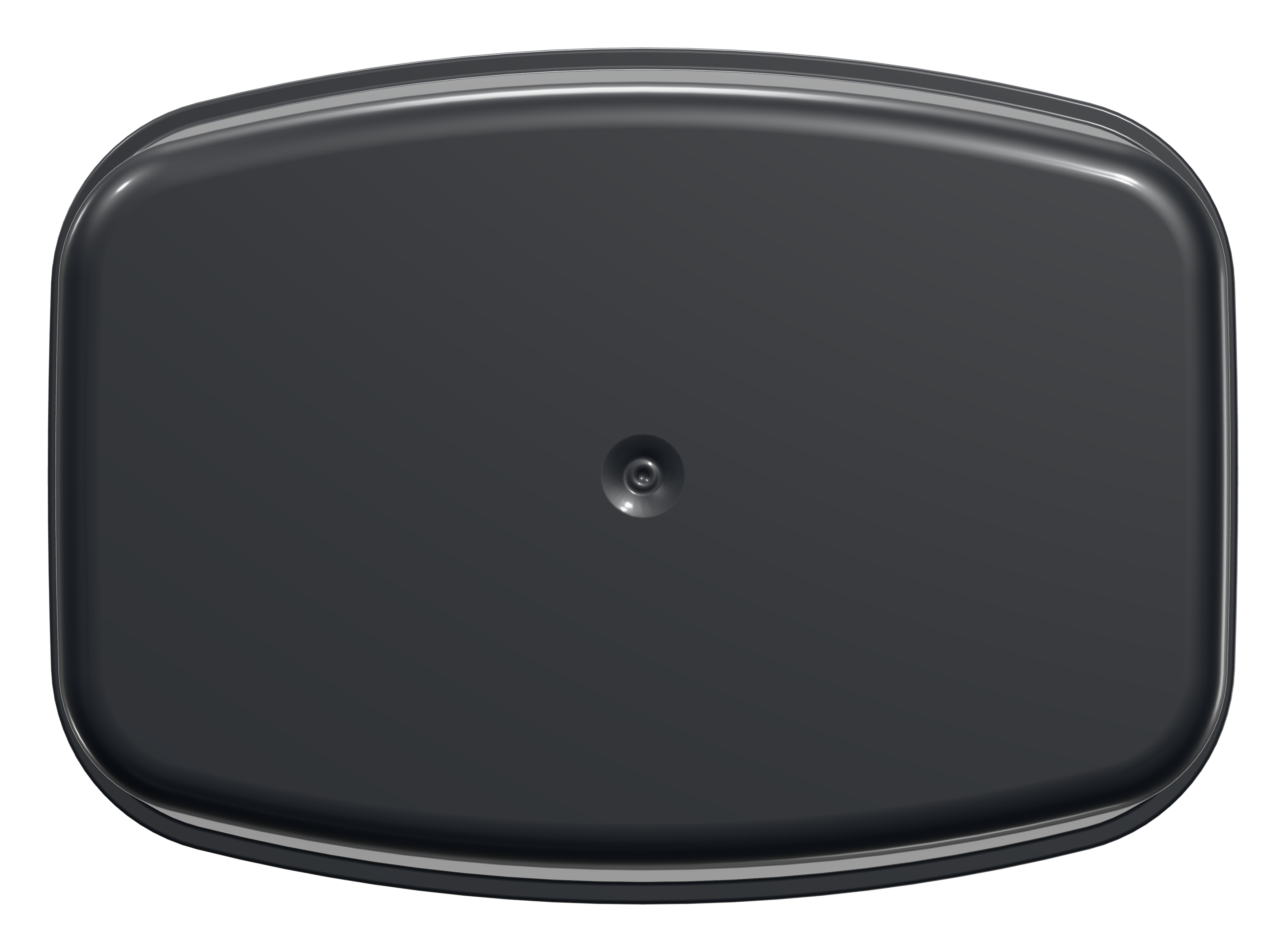
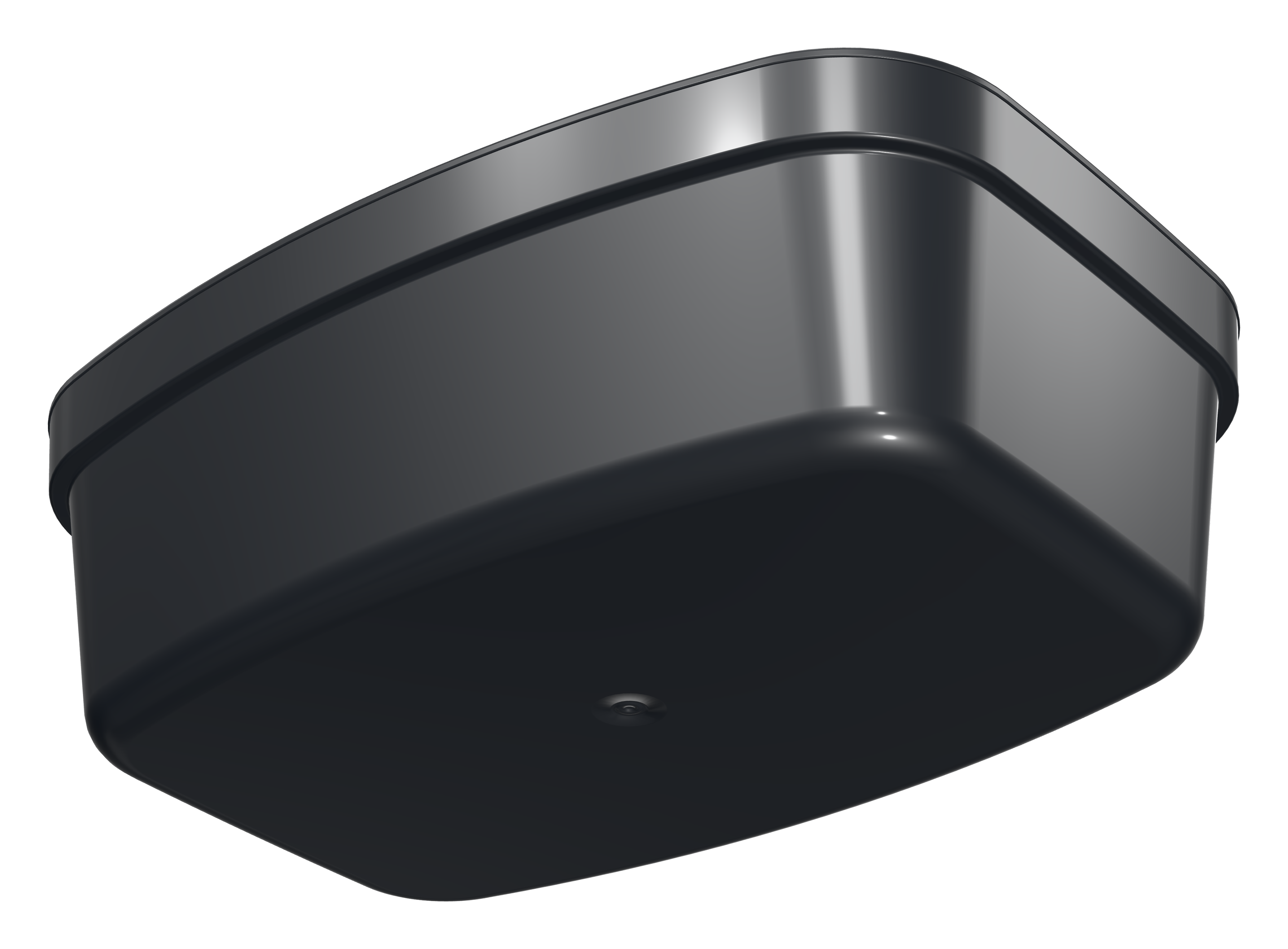
We manufacture it by injection moulding at our facilities in Tibi (Alicante). The gate mark is on the base, at the point where the plastic enters the mould.
Step 4 of 4
From freezer to microwave
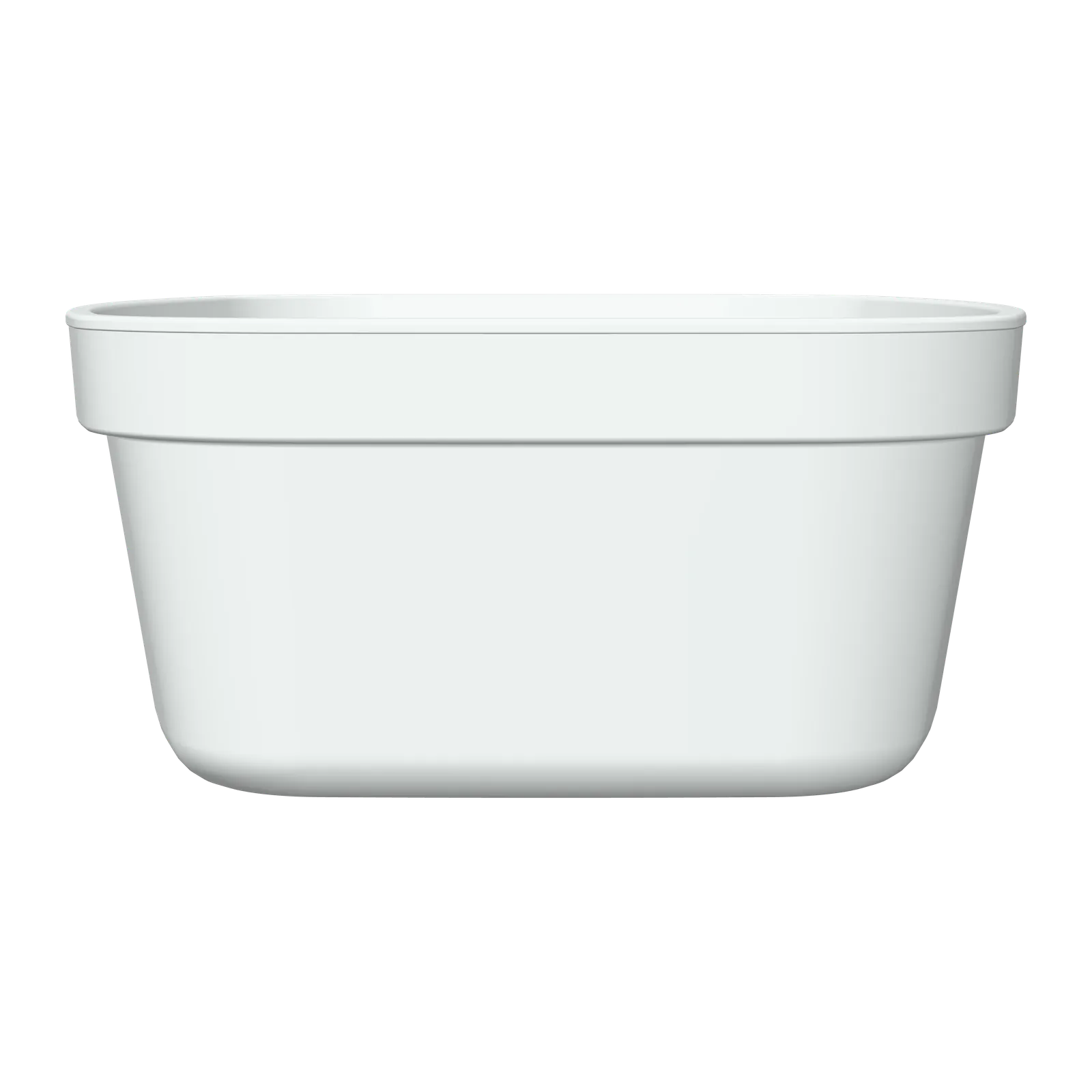
It can be used for chilling and freezing, and for heating in the microwave once the film has been pierced or removed. It is not suitable for conventional ovens, grills or direct flame.
One container, from freezer to microwave.
A tray for ready meals
The CU 1,5 L is a rectangular tray in rigid food-contact polypropylene (PP), made by injection moulding. It is designed for industrial, commercial and logistics food packaging, and for storing, transporting and presenting family-size ready meals or large portions.
Its flat perimeter flange means it can be closed with lidding film by heat sealing. It goes from the fridge or freezer to the microwave, provided the film is pierced or removed before heating, and it is not suitable for conventional ovens, grills or direct flame. We supply it in white or black, in cases of 120 units.
Technical data
Dimensions and capacity
- Reference
- CU 1,5 L
- Category
- Household
- Nominal capacity
- 1,500 cc
- External length (at rim)
- 210 mm
- External width (at rim)
- 152 mm
- Overall height
- 67 mm
Material and manufacturing
- Material
- Rigid food-contact polypropylene (PP)
- Manufacturing process
- Injection moulding
- Finish
- Smooth surface
- Resistance
- Resistant to fats, oils and food acids
- Origin
- Made in Tibi (Alicante)
Uses and temperatures
- Fridge
- Yes
- Freezer
- Yes
- Microwave
- YesPierce or remove the film before heating.
- Conventional oven
- No
- Grill
- No
- Direct flame
- No
Closure
Flat perimeter flange for hermetic heat sealing with lidding film
Supply
- Units per case
- 120 units
- Stacking
- Optimised stacking to take up less storage space before use
Colours and applications
- White
- Gives a clean look to home-style dishes, pasta, stews and butcher’s or deli products.
- Black
- Brings out the colour of the food on retail shelves and in ready-meal display cabinets.
Regulation
Reference regulation: Regulation (EC) No 1935/2004 on materials and articles intended to come into contact with food
See it in 3D
Choose a feature or a view and the product turns to show it.


Features
Views
Colour
How it compares with other containers
We tell you what it can do, and what it cannot.
We set our tray alongside other types of ready-meal container, using data from the data sheets and studies we cite. CPET, aluminium and glass come out ahead in the oven, and we tell you that too.
| Use | Injection-moulded PP (this tray) | Thermoformed PP | Thermoformed APET | CPET | Aluminium | Glass with lid |
|---|---|---|---|---|---|---|
| Microwave | Yes, with the film pierced or removed1 | Yes, for short periods (under 2 h)2 | No3 | Yes, up to 220 °C4 | Yes, as long as it does not touch the oven walls56 | Yes for the glass, no for the lid7 |
| Conventional oven | No1 | No2 | No3 | Yes, up to 220 °C4 | Yes6 | Yes, without the lid7 |
| Freezer | Yes1 | Yes, with a minimum temperature of −18 °C, as it becomes brittle when cold2 | Yes, down to −40 °C3 | Yes, down to −40 °C, though it is more brittle when cold4 | Yes, it does not break when frozen6 | Yes7 |
| Heat sealing with film | Yes, thanks to its flat perimeter flange1 | Yes, with different kinds of sealing film2 | Suitable for protective atmosphere3 | Yes, with an APET sealing layer4 | Yes, on smooth-rim trays6 | Closes with its lid7 |
Injection moulding versus thermoforming
- Thermoforming starts from a plastic sheet, commonly PP or PET, and its speed advantage is greatest with shallow, wide containers such as ready-meal trays8.
- In injection moulding, the mould sets the wall thickness and keeps it uniform. In thermoforming, the sheet stretches and thins at the corners and in deep draws98, although it can achieve thinner walls and lighter containers8.
- The injection mould shapes both faces of the part, the inside and the outside. Thermoforming uses a single-sided mould9.
- Injection moulding achieves tighter tolerances, and it is the process of choice when the part needs tolerances tighter than ±0.5 mm98.
Sources
These are the data sheets and studies that the comparison data comes from. The data for our product comes from its technical data sheet.
- Technical data sheet CU 1,5 L (PDF)Bersil Inyección y Soplado S.L., 2026Back to the first citation of source 1
- PP trays and bowls for ready mealsProduct sheet from a food packaging manufacturer, 2026Back to the first citation of source 2
- Clear 115 cl APET containerOnline data sheet from a foodservice packaging distributor, n.d.Back to the first citation of source 3
- Environmental and Product Information Sheet, CPET trayProduct sheet from a food packaging manufacturer, 2025Back to the first citation of source 4
- Aluminium foil and microwave ovensEuropean Aluminium Foil Association, n.d.Back to the first citation of source 5
- Smooth-wall aluminium traysFood Processing, product news from an aluminium packaging manufacturer, 2016Back to the first citation of source 6
- Round glass dish with lidOnline data sheet from a glass cookware manufacturer, n.d.Back to the first citation of source 7
- How does thermoforming compare to injection molding for large-volume food containers?Article by a thermoforming machine manufacturer, n.d.Back to the first citation of source 8
- Injection Molding vs ThermoformingComparison by a mould manufacturer, n.d.Back to the first citation of source 9
Technical files
Download the technical data sheet and high-resolution images for your catalogues, presentations or customer product sheets.
High-resolution images
White
Black
Request your wholesale quote
Tell us the quantity and colour you need, and a member of our team will get back to you. We sell to trade and wholesale customers only.