


Bersil, plastic injection and blow moulding in Tibi, Alicante. We make plastic products for the home
Toilet brush holders, 1 L water bottles, lunch boxes and cheese boxes, made by plastic injection and blow moulding with semi-automated processes. Our service is 100% human.
Image 1 of 3. Bright kitchen with white units, a wooden worktop and appliances
Bersil in figures
From 100 to 500 t of clamping force across our injection moulding machines
More than 1,000 m² of facilities in Tibi
More than 20 years of steady relationships with our customers
More than 0.5 MW of nominal photovoltaic power on our roof
What we make
We manufacture by plastic injection and blow moulding
We work with two processes, and each one shapes a different kind of part. We explain how they differ and then show you how one of our injection moulding machines works on the inside.
Plastic injection moulding
We melt the plastic and inject it under pressure into a closed mould. Once it has cooled and hardened, we open the mould and eject the part. A single mould produces many identical parts, which is why it is the usual process for production runs of plastic parts.
Plastic blow moulding
We heat a plastic preform or tube, place it in a mould and inflate it with compressed air until it takes the mould’s shape. Once it has cooled, we remove the part. It is the usual process for hollow parts such as bottles.
The cycle of an injection-moulded part, step by step

How a part is made
Here is the full cycle of a part, from the plastic pellets to the moment the robot takes it out of the mould.
The machine you will see has 500 tonnes of clamping force, the top end of our range.
From pellets to colour
We convey the pellets, the plastic in granule form, through tubes to the hopper, and from there they drop into the screw.
Colour can be added right from the start, with a pigment concentrate called masterbatch or with pre-coloured pellets.
- Coral
- Pink
- Violet
- Blue
- Turquoise
- Green
- Olive green
Example colours
Plasticising and metering
The screw turns inside the heated barrel, and with it we convey the pellets, compress them and melt them into a uniform mass.
As it turns, it builds up the shot for the next part in front of its tip and moves back to make room for it.
Mould closing
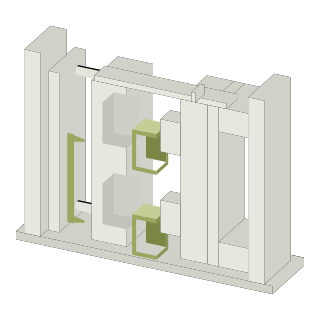
We close the mould with a double five-point toggle: hinged levers that straighten when the cylinder rod pushes the crosshead.
Once aligned, the levers apply the clamping force, which holds the mould together while the plastic flows in.
Injection and packing
The screw moves forward without turning, and the molten plastic fills the mould through the gate.
We then apply a holding pressure set for each part until the gate freezes, to compensate for shrinkage and prevent sink marks (surface depressions) and voids.
Cooling and ejection
With the mould closed, the part cools until it is rigid.
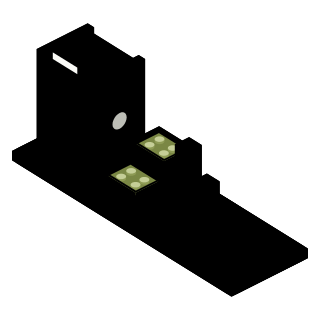
We then open the mould, and our robot holds the part with its suction cup while the ejector releases it.
Robotic part removal
We remove the part with a Cartesian robot, which moves along three linear axes. Outside the mould, the robot turns the part, carries it to the unloading area and releases it.
The robot takes care of removal, which is repetitive work, and the rest of the work is shared between the machines and the people on our team. That is why we describe our processes as semi-automated.
Hybrid technology
We use hybrid technology (hydraulic and electric).
In a hybrid injection moulding machine, some movements are driven by electric motors and others by hydraulics.
Let’s talk about your project
If you have a part in mind, we will look at it with you.
Further down, we explain what backs up our quality and how we work with our customers.
Contact us
Quality and technology
Quality you can measure
Quality is proven with data, such as how many parts are returned to us, how we share the work between machines and people, and which injection moulding machines we use.
Less than 1% of parts returned
A returned part is a part that did not arrive the way the customer needed it. It is our customers who decide whether a part comes back, which is why this is the figure we prefer to show you.
Semi-automated processes
We combine the automated work of our machines with the work of the people on our team. Machines do not do everything, and not everything is left to human hands.
Machines and factory
The machines we use to make your parts, and the factory where we make them.
Injection moulding machines from 100 to 500 t of clamping force
Clamping force keeps the mould closed while the plastic enters under pressure, and it is measured in tonnes. The more area the part takes up on the face of the mould, the more force is needed to stop the mould from opening. If there is not enough force, plastic escapes through the parting line and the part comes out with flash. That is why the size of the part is one of the factors that decide which machine it is made on.
Our factory in Tibi
This is where we manufacture by plastic injection and blow moulding.
On its roof we have a photovoltaic installation with more than 0.5 MW of nominal power and a dedicated transformer.
How we work
From first contact to delivery, this is how an order with us works, in four steps.
You tell us what you need
You call us and someone from our team answers. You tell us what product you are looking for and in what quantity.
We review the order with you
We go over the product and the quantity together before we start production, so that the order turns out the way you need it.
We make it in our factory
We produce your order by injection or blow moulding, depending on the part, with the work of our machines and our team.
We arrange delivery
We agree the delivery of your order with you. If you need anything afterwards, we are just a phone call away.
Why choose Bersil
Our values are 100% human service, professionalism and speed. Here is how they show in your order.
100% human service
When you call us, you speak to a member of our team, not an automated system. That personal attention continues throughout your order.
You will see for yourself as soon as you call us.
Professionalism
We handle your enquiry and your order professionally, from the first call through to delivery.
Fewer than 1% of the parts we deliver are ever returned.
Speed
We respond to your enquiry promptly and manufacture your order quickly.
We manufacture with semi-automated processes.
Made in Tibi
We manufacture in our factory in the province of Alicante, in Spain. The person you deal with works for the same company that makes your order.
A company from Tibi that manufactures by plastic injection and blow moulding.
Our story
More than 20 years of steady relationships with our customers, person to person
Behind that figure are customers who keep working with us, order after order. That trust does not come with a single job. It is earned by delivering on every one, and it is the trust we want to build with you too.
Read moreIn preparation

Discover the Bersil product range
Bersil Products is our own product brand. Under it, we sell the plastic household products that we make in Tibi (Alicante).
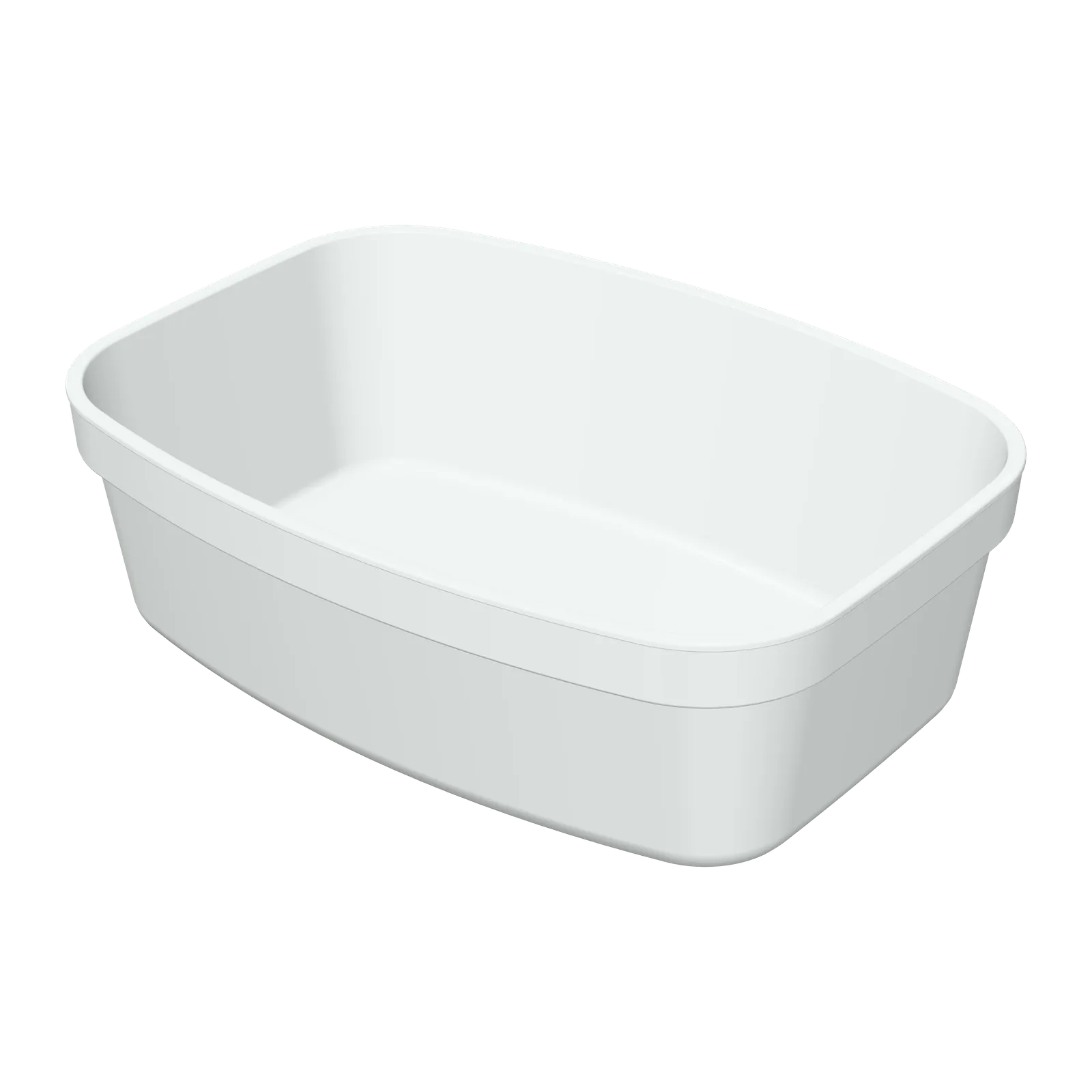
Heat-sealable PP tray 1.5 L
A 1.5 L injection-moulded polypropylene tray with a flat flange for heat sealing, in white or black.
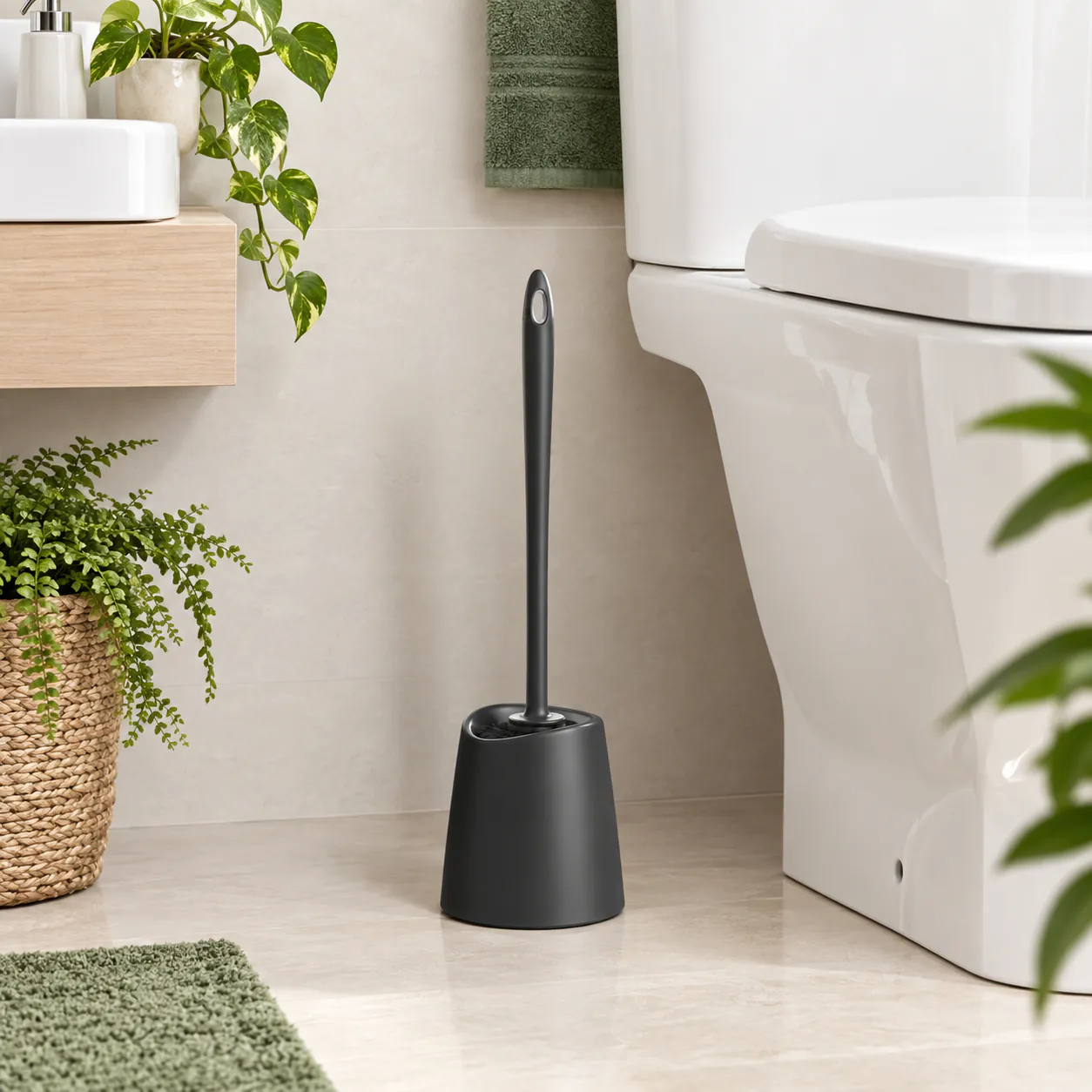
Toilet brush holders
Plastic toilet brush holders for the bathroom.
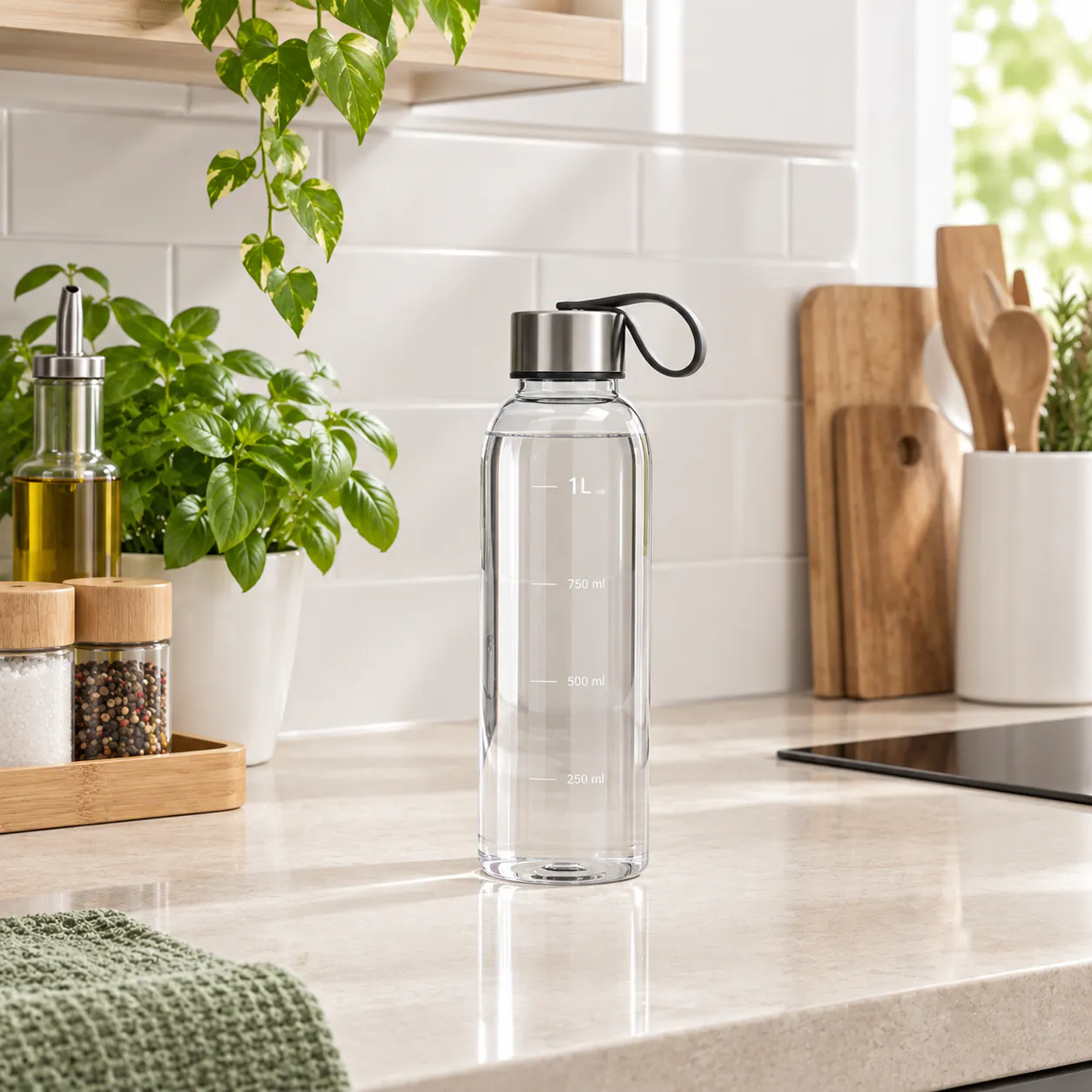
1 L water bottles
Plastic water bottles with a capacity of 1 litre.
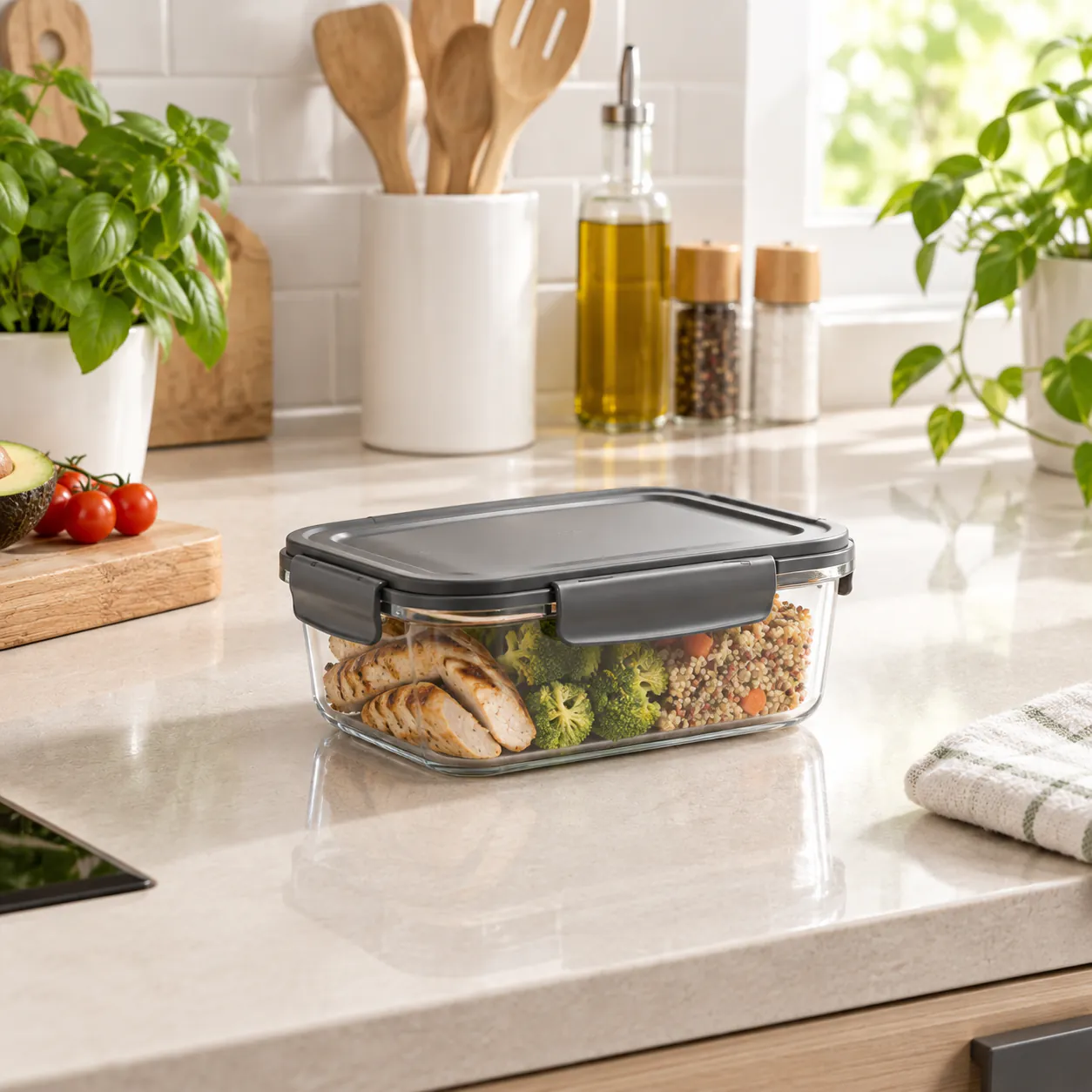
Lunch boxes
Plastic lunch boxes with lids for taking food with you.
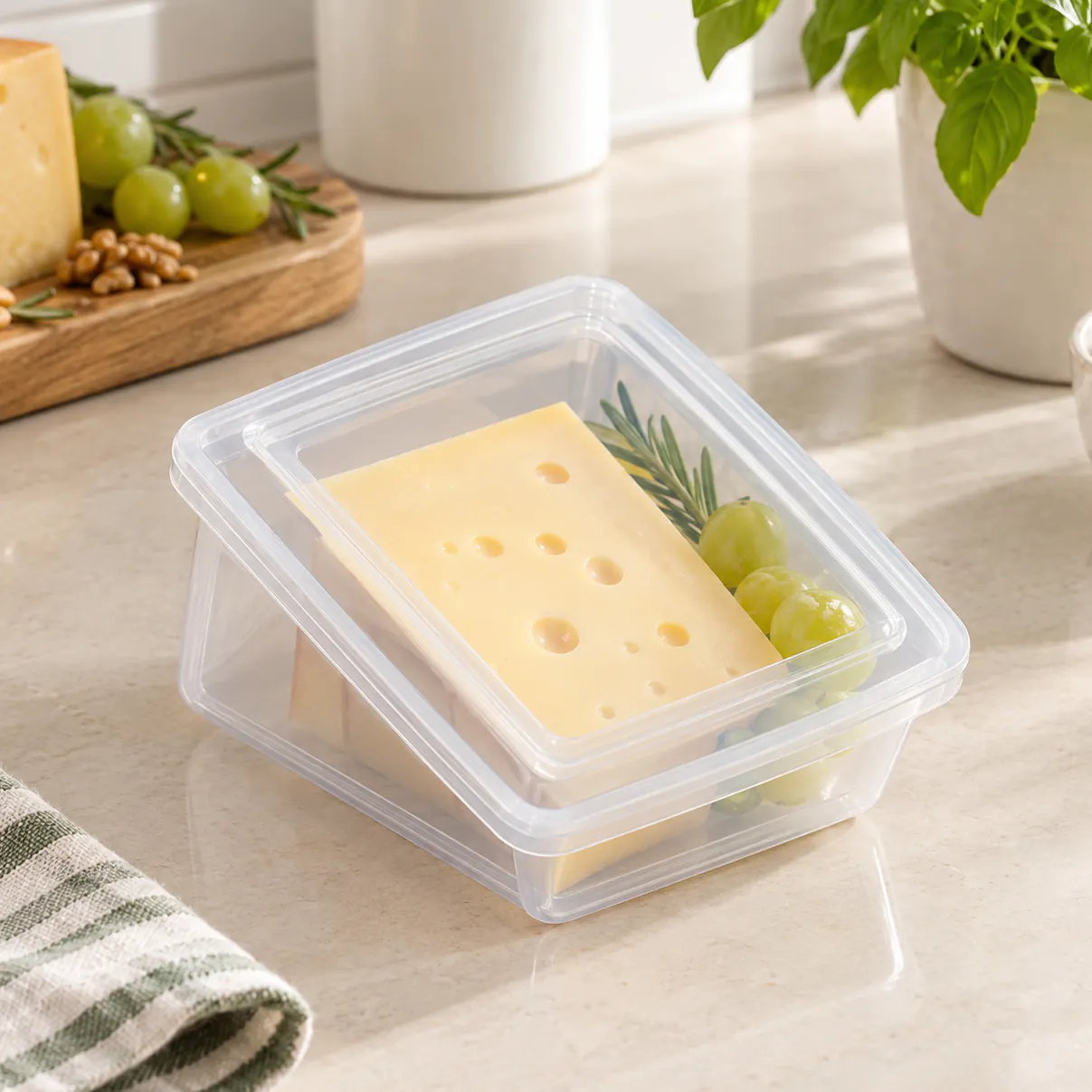
Cheese boxes
Plastic boxes with lids for storing and carrying cheese.
Frequently asked questions
What is worth knowing before you talk to us, in short answers.
When is injection moulding used, and when blow moulding?
We work with both. Injection moulding completely fills a closed mould and is used for parts with a shape of their own, such as storage containers. Blow moulding inflates the plastic with air against the walls of the mould, which is why it is used for hollow parts.
What size are your injection moulding machines?
They range from 100 to 500 tonnes of clamping force. In the quality section we explain what that figure means and why it matters.
Who will I speak to if I call?
A member of our team, from the first call through to delivery.
How many parts are returned to you?
Less than 1% of the parts we make.
What does a colour change involve in injection moulding?
To switch to another colour, the barrel and screw have to be purged until the plastic comes out with no traces of the previous one, and that takes time.
Where do you manufacture?
In our factory in Tibi (Alicante). In the contact section you will find the map and directions.
Talk to our team
Tell us what part or product you need and a member of our team will help you.
Where to find us
Bersil Inyección y soplado03109 Tibi (Alicante)
- Business hours. Monday to Friday
- to
- to
The map is a Google service and its use is subject to the Google Maps Additional Terms of Service (opens in a new tab) and the Google Privacy Policy (opens in a new tab).